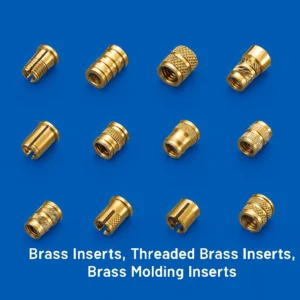
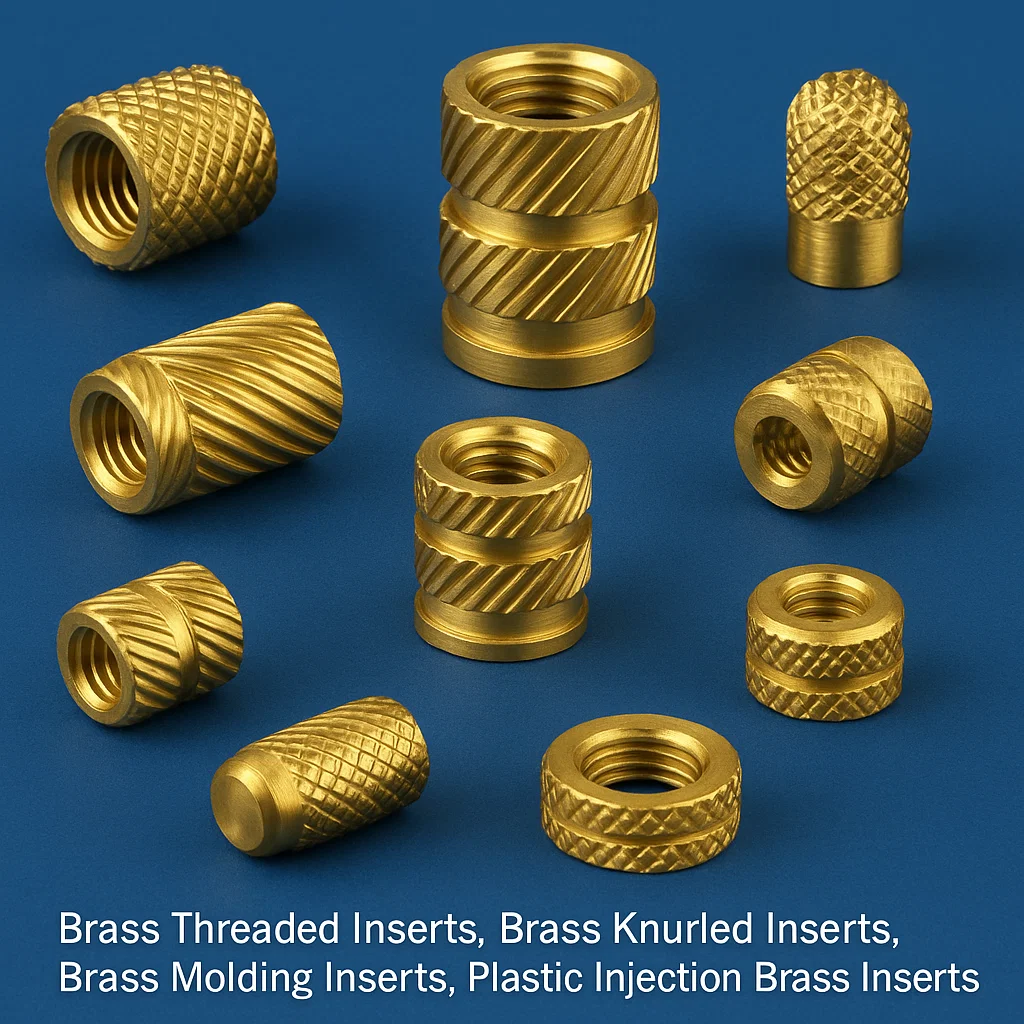
Brass Knurled Inserts for Plastic – Premium Quality Threaded Inserts


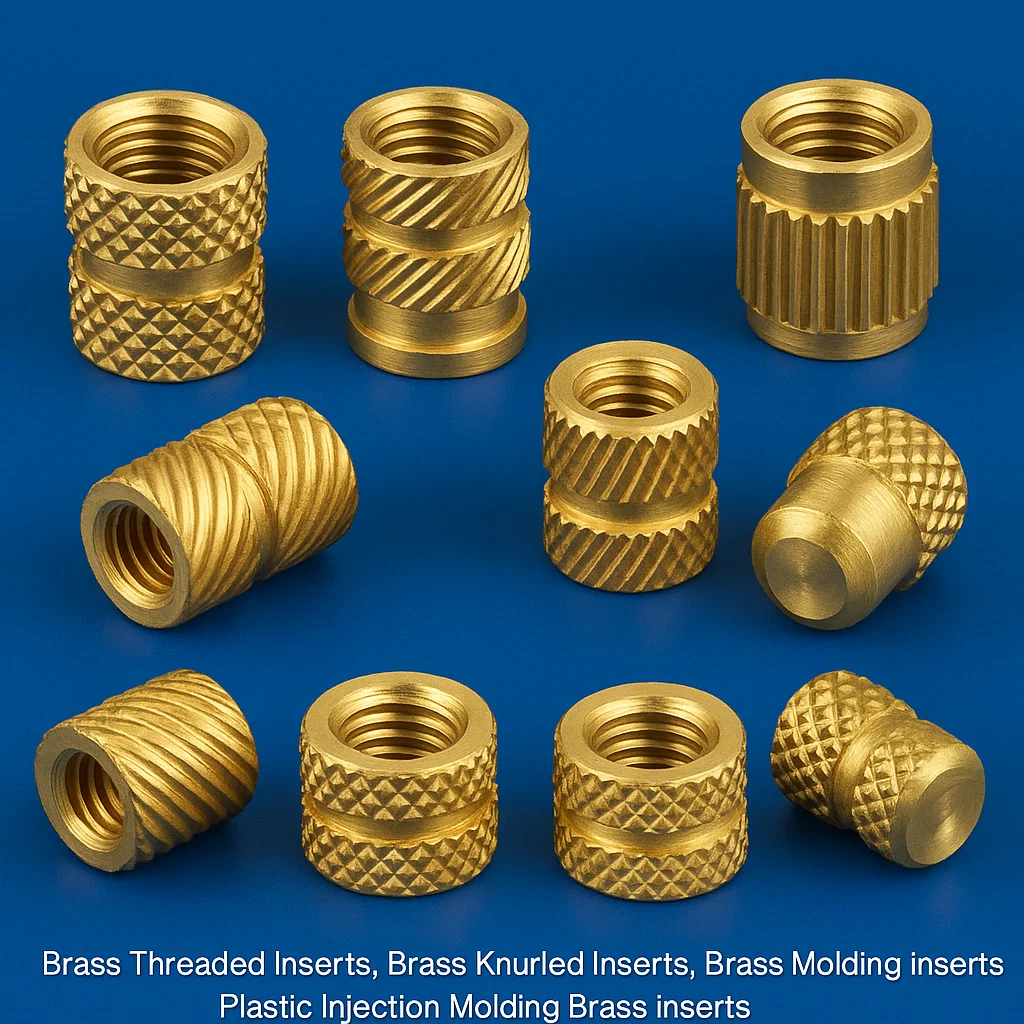
Price: US$ 11.10/Kilogram
Overview of Brass Knurled Inserts
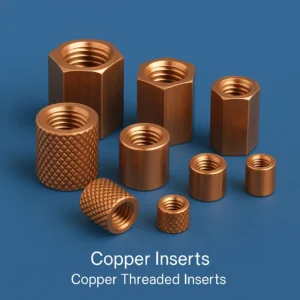
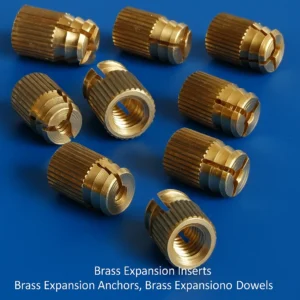
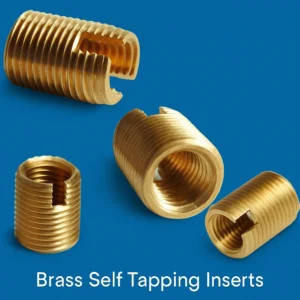
Brass Knurled Inserts are precision-engineered threaded fasteners designed for permanent installation in thermoplastic materials. These inserts feature external knurled surfaces that provide superior retention and resistance to rotation when molded or pressed into plastic components. The Brass construction offers excellent corrosion resistance, electrical conductivity, and aesthetic appeal, making them ideal for applications requiring both functional performance and visual quality. Our Brass Knurled Inserts are manufactured using premium quality Brass alloys conforming to international standards, ensuring consistent mechanical properties and dimensional accuracy. The knurled exterior profile creates a mechanical lock with the host plastic material, preventing loosening under dynamic loads and thermal cycling conditions.
Brass Knurled Inserts for Plastic Applications
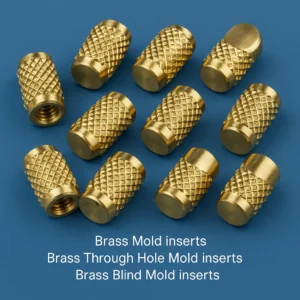
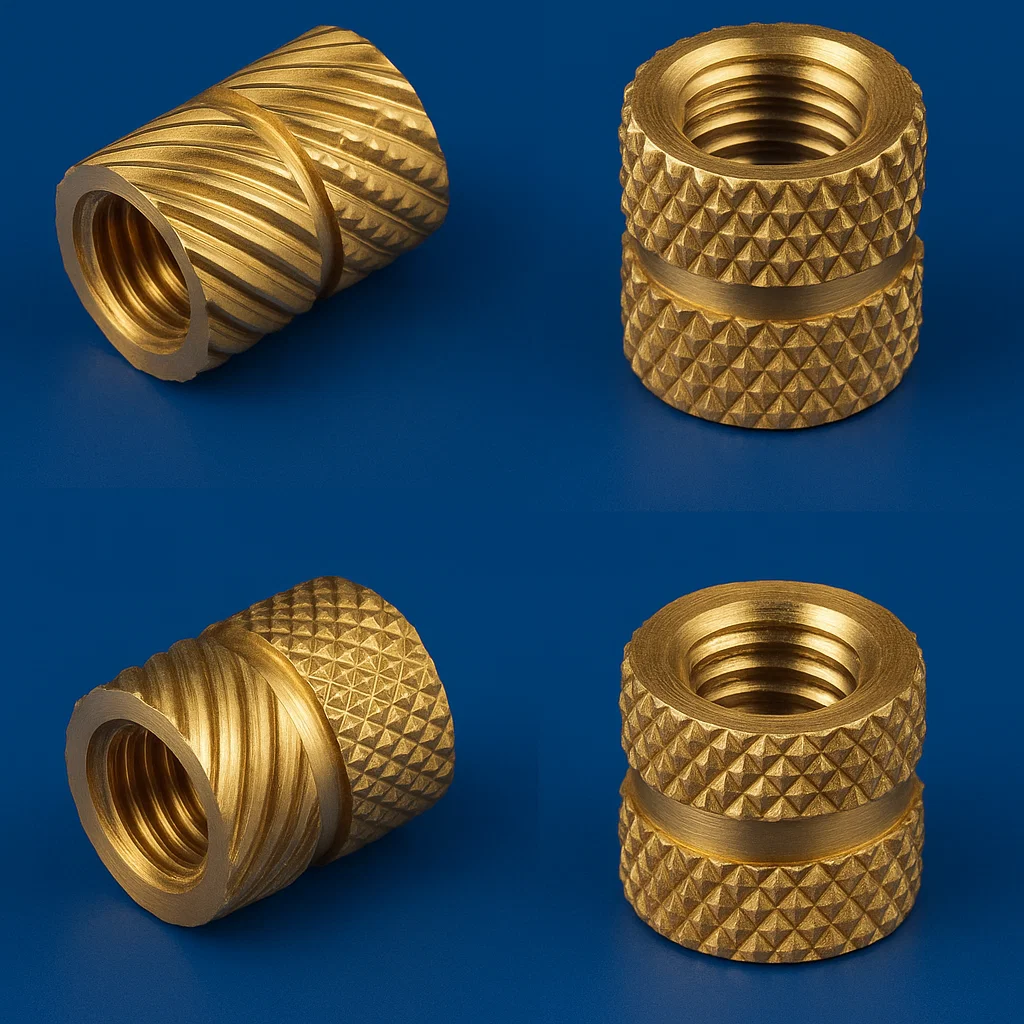
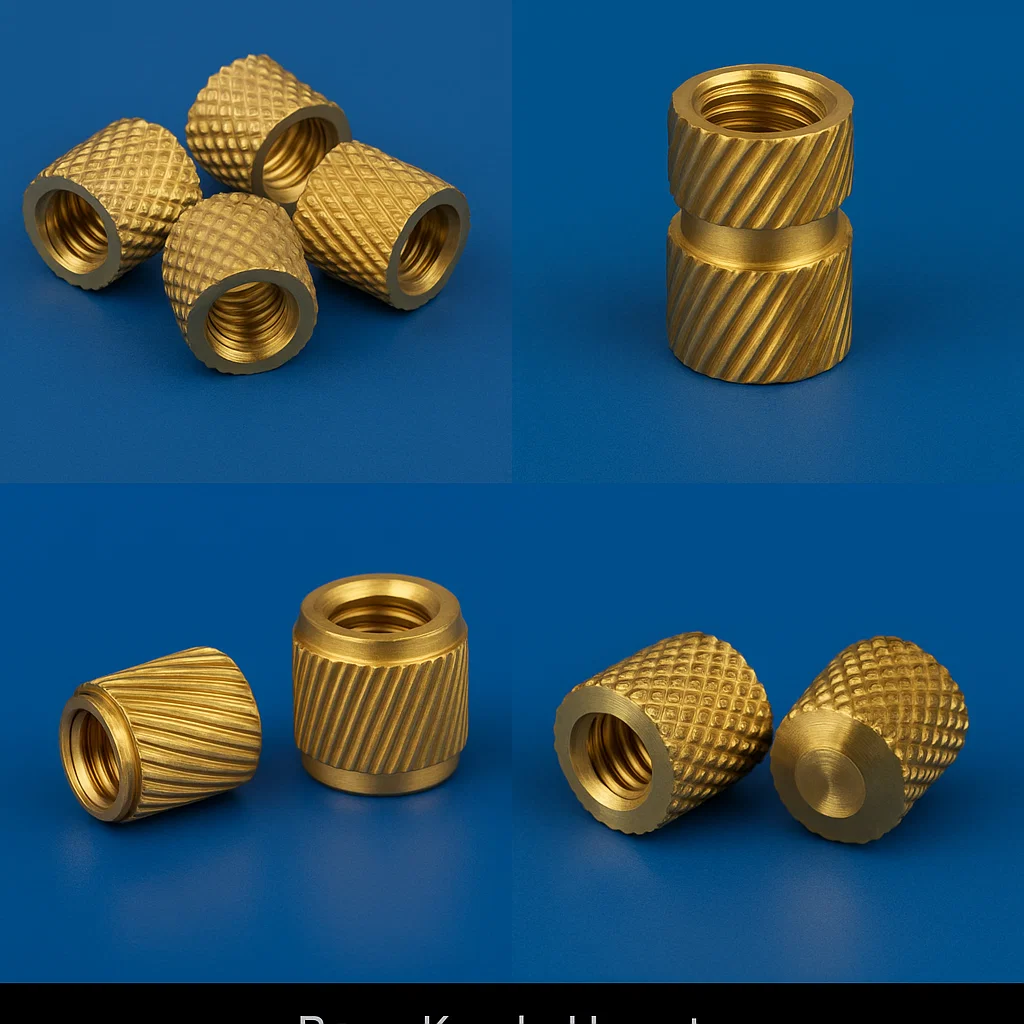
Brass Knurled Inserts for Plastic represent the most common application of these precision fasteners, specifically engineered for molding into thermoplastic components during the injection molding process or for post-molding installation through ultrasonic or heat insertion methods. The Brass material provides optimal thermal conductivity for heat insertion processes while maintaining excellent thread integrity under repeated assembly and disassembly cycles. These inserts are particularly suitable for applications in consumer electronics, automotive interior components, appliance housings, and decorative assemblies where both strength and appearance are critical. The knurled external surface creates micro-mechanical interlocking with the plastic matrix, resulting in pull-out strengths that often exceed the tensile strength of the host plastic material. Our Brass Knurled Inserts for Plastic are available in various knurl patterns including diamond, straight, and helical configurations to optimize performance for specific plastic materials and installation methods.
Brass Knurled Inserts Manufacturer in India
As a premier Brass Knurled Inserts manufacturer in India, we leverage advanced manufacturing technologies and decades of expertise to produce world-class threaded inserts for global markets. Our manufacturing facility is equipped with state-of-the-art CNC turning centers, precision grinding equipment, and automated knurling machinery to ensure consistent quality and dimensional accuracy. We maintain comprehensive quality management systems certified to ISO 9001:2015 standards, with rigorous incoming material inspection, in-process quality control, and final product testing protocols. Our manufacturing capabilities include cold forming, CNC machining, precision knurling, thread rolling, and various surface finishing processes. We source premium quality Brass raw materials from certified suppliers and maintain full traceability throughout the manufacturing process. Our experienced quality assurance team conducts dimensional verification, mechanical testing, and surface finish inspection on every production batch to ensure compliance with customer specifications and international standards.
Metric Brass Knurled Inserts
Metric Brass Knurled Inserts are manufactured to metric threading specifications including M2, M2.5, M3, M4, M5, M6, M8, M10, M12, and larger sizes as required. These inserts conform to DIN and ISO metric threading standards with precise pitch tolerances and thread profile geometry. Our Metric Brass Knurled Inserts feature standard metric coarse pitches (1.0mm for M6, 1.25mm for M8, 1.5mm for M10, etc.) as well as fine pitch threading for applications requiring higher thread engagement density. The metric sizing provides compatibility with standard metric bolts, screws, and threaded fasteners commonly used in European and Asian markets. We maintain comprehensive tooling for all standard metric sizes and can produce custom metric threading specifications based on customer requirements. Quality verification includes thread gauge inspection, dimensional measurement using coordinate measuring machines, and functional testing with mating hardware.
Blind Brass Knurled Inserts
Blind Brass Knurled Inserts are designed for applications where access is limited to one side of the assembly, featuring closed-end construction that prevents material flow-through during molding operations. These specialized inserts are particularly valuable in thin-walled plastic components where through-hole inserts would compromise structural integrity or aesthetic appearance. The blind configuration includes internal threading that extends to a predetermined depth, with the closed end providing additional bearing surface for load distribution. Our Blind Brass Knurled Inserts are manufactured with precise internal depth control and consistent wall thickness to ensure optimal thread engagement and pull-out performance. The external knurled surface is optimized for each specific length and diameter combination to provide maximum retention force while minimizing stress concentration in the host plastic material. Applications include electronic device housings, automotive trim components, and appliance assemblies where clean exterior surfaces are required.
Through Hole Brass Molding Inserts
Through Hole Brass Molding Inserts feature complete internal threading extending through the entire length of the insert, providing maximum thread engagement and superior load-carrying capacity for critical fastening applications. These inserts are specifically designed for molding into plastic components during the injection molding process, with external knurl patterns optimized for different plastic materials and molding conditions. The through-hole configuration allows for the use of longer bolts or screws, enabling the fastening of multiple components or thick assemblies. Our Through Hole Brass Molding Inserts incorporate advanced knurl geometries that create positive mechanical interlocking with the plastic matrix while minimizing stress concentration and potential for cracking. Manufacturing processes include precision CNC machining, controlled knurling operations, and specialized deburring techniques to ensure smooth internal threading and optimal molding performance. Quality control procedures verify internal thread dimensions, surface finish, and geometric tolerances using advanced inspection equipment.
Knurled Plastic Molding Brass Inserts
Knurled Plastic Molding Brass Inserts represent the pinnacle of insert technology for thermoplastic applications, engineered specifically for integration during the injection molding process. These inserts feature precisely controlled external knurl patterns that optimize plastic flow and ensure complete encapsulation without air entrapment or weak spots. The Brass material composition is carefully selected to provide optimal thermal conductivity for efficient heat transfer during molding while maintaining excellent machinability for precise thread cutting operations. Our Knurled Plastic Molding Brass Inserts are designed with specific knurl angles, depth, and spacing parameters that maximize retention force while minimizing stress concentration in the surrounding plastic material. Advanced manufacturing techniques include multi-axis CNC machining, precision knurl rolling, and specialized surface treatments to enhance molding performance and long-term reliability. Each insert undergoes comprehensive testing including pull-out force verification, torque-to-failure testing, and thermal cycling evaluation to ensure consistent performance across various molding conditions and plastic formulations.
Brass Knurled and Threaded Molding Inserts
Brass Knurled and Threaded Molding Inserts combine the retention benefits of external knurling with precision internal threading to create the ultimate fastening solution for molded plastic assemblies. These advanced inserts feature optimized knurl geometries that provide exceptional pull-out resistance while maintaining smooth internal threading for reliable bolt engagement. The manufacturing process involves precision CNC turning operations followed by controlled knurling and thread cutting procedures that ensure perfect concentricity and dimensional accuracy. Our Brass Knurled and Threaded Molding Inserts are available in various configurations including flanged designs for increased bearing surface, reduced height profiles for thin-wall applications, and specialty geometries for unique molding requirements. Quality assurance protocols include comprehensive dimensional inspection, thread gauge verification, surface finish measurement, and mechanical property testing to ensure consistent performance across all production batches. These inserts are particularly suitable for high-stress applications in automotive, aerospace, and industrial equipment where both retention strength and thread integrity are critical.
Thread Specifications and Standards
| Thread Type | Designation | Pitch (mm/TPI) | Standard | Common Sizes |
|---|---|---|---|---|
| Metric Coarse | M | 0.4mm – 3.0mm | ISO 262, DIN 13 | M2, M3, M4, M5, M6, M8, M10, M12 |
| Metric Fine | M | 0.35mm – 2.0mm | ISO 262, DIN 13 | M8x1.0, M10x1.25, M12x1.5 |
| UNC (Unified Coarse) | #-TPI | 20-13 TPI | ASME B1.1 | #4-40, #6-32, #8-32, #10-24, 1/4-20 |
| UNF (Unified Fine) | #-TPI | 28-20 TPI | ASME B1.1 | #6-40, #8-36, #10-32, 1/4-28 |
| UNEF (Extra Fine) | #-TPI | 32-18 TPI | ASME B1.1 | 1/4-32, 5/16-32, 3/8-32 |
Material Grades and Specifications
International Standards
CuZn39Pb3 (CW614N) – European EN 12164
C36000 – ASTM B16 (Free Cutting Brass)
JIS H3250 C3604 – Japanese Standard
IS 319 Grade 1 – Indian Standard
Chinese Standards
HPb59-1 – GB/T 4423
HPb60-2 – GB/T 4423
HPb62-2 – GB/T 4423
European Standards
CW617N – EN 12165
CW614N – EN 12164
CW608N – EN 12163
| Property | CuZn39Pb3 | C36000 | C3604 | Unit |
|---|---|---|---|---|
| Tensile Strength | 370-480 | 340-470 | 390-540 | MPa |
| Yield Strength | 130-350 | 125-310 | 140-390 | MPa |
| Elongation | 15-25 | 18-25 | 15-30 | % |
| Hardness | 95-150 | 85-140 | 100-160 | HB |
| Electrical Conductivity | 26-28 | 25-27 | 26-28 | % IACS |
Manufacturing Processes and Machinery
Our advanced manufacturing facility employs multiple precision machining processes to produce superior quality Brass Knurled Inserts. The primary manufacturing sequence begins with CNC turning operations using state-of-the-art multi-axis turning centers equipped with live tooling capabilities for complete machining in a single setup. Raw material preparation involves precision bar cutting using automatic saw equipment with coolant systems to prevent work hardening and ensure clean cut surfaces. The knurling process utilizes specialized knurling machines with precisely ground knurling wheels that create consistent knurl patterns with controlled depth and spacing. Thread cutting operations employ high-precision thread whirling machines and CNC threading equipment capable of maintaining IT6 tolerance grades on internal threading. Secondary operations include centerless grinding for external diameter control, deburring using vibratory finishing equipment, and surface treatments such as passivation and plating. Quality control throughout the manufacturing process involves coordinate measuring machines, optical comparators, thread gauges, and automated inspection systems that verify dimensional accuracy, surface finish, and geometric tolerances.
Manufacturing Process Flow
Raw Material → Bar Cutting → CNC Turning → Knurling → Threading → Deburring → Surface Treatment → Quality Inspection → Packaging
Advanced multi-stage manufacturing process ensuring precision and quality at every step
Dimensional Specifications and Tolerances
| Thread Size | Insert OD (mm) | Insert Length (mm) | Knurl Depth (mm) | Flange Diameter (mm) |
|---|---|---|---|---|
| M3x0.5 | 4.2 ±0.05 | 4.0 – 12.0 | 0.15 ±0.03 | 5.5 ±0.1 |
| M4x0.7 | 5.6 ±0.05 | 5.0 – 15.0 | 0.20 ±0.03 | 7.0 ±0.1 |
| M5x0.8 | 7.0 ±0.05 | 6.0 – 18.0 | 0.25 ±0.03 | 8.5 ±0.1 |
| M6x1.0 | 8.4 ±0.08 | 8.0 – 20.0 | 0.30 ±0.05 | 10.0 ±0.1 |
| M8x1.25 | 11.2 ±0.08 | 10.0 – 25.0 | 0.35 ±0.05 | 13.0 ±0.15 |
| 1/4-20 UNC | 8.73 ±0.08 | 9.5 – 22.0 | 0.30 ±0.05 | 11.0 ±0.1 |
Industries and Applications
Brass Knurled Inserts serve critical fastening requirements across diverse industrial sectors, with each application leveraging the unique properties of Brass for optimal performance. The automotive industry utilizes these inserts extensively in interior trim components, dashboard assemblies, door panels, and electronic control modules where electromagnetic shielding and aesthetic appeal are essential. Consumer electronics manufacturers rely on Brass Knurled Inserts for smartphone housings, tablet enclosures, laptop components, and wearable device assemblies where miniaturization and reliability are paramount. The aerospace sector employs these inserts in cabin interior components, avionics housings, and non-structural assemblies where weight reduction and corrosion resistance are critical factors. Medical device manufacturers integrate Brass Knurled Inserts into diagnostic equipment housings, surgical instrument assemblies, and patient monitoring devices where biocompatibility and precision are essential. Industrial equipment applications include control panel assemblies, machinery housings, pump components, and valve assemblies where durability and chemical resistance are required. The telecommunications industry uses these inserts in network equipment enclosures, antenna assemblies, and fiber optic components where electromagnetic compatibility and long-term reliability are crucial.
Surface Finishes and Treatments
Our comprehensive range of surface finishes enhances both the aesthetic appeal and functional performance of Brass Knurled Inserts across various applications. Standard finishes include natural Brass with protective passivation treatment that maintains the characteristic golden appearance while providing enhanced corrosion resistance. Nickel plating options include bright nickel for decorative applications and satin nickel for reduced reflectivity in optical assemblies. Chrome plating provides superior hardness and wear resistance for high-cycle applications while maintaining excellent appearance retention. Tin plating offers enhanced solderability for electronic applications and improved corrosion resistance in marine environments. Black oxide treatments provide non-reflective surfaces ideal for military and optical applications while maintaining dimensional stability. Specialized coatings include PTFE impregnation for reduced friction, zinc plating for enhanced corrosion protection, and custom color anodizing for specific aesthetic requirements. All surface treatments are applied using environmentally controlled processes with comprehensive quality verification including adhesion testing, thickness measurement, and corrosion resistance evaluation according to relevant ASTM and ISO standards.
Performance Metrics and Testing
Comprehensive performance testing ensures that our Brass Knurled Inserts meet stringent quality requirements and deliver consistent performance across diverse applications. Pull-out strength testing evaluates the mechanical retention force between the insert and host plastic material, with typical values ranging from 500N to 3000N depending on insert size, knurl pattern, and plastic material properties. Torque-to-failure testing determines the maximum rotational force the insert can withstand before thread stripping or rotation in the plastic, with typical values ranging from 2.5 N⋅m to 25 N⋅m for standard sizes. Thermal cycling tests subject assembled components to temperature variations from -40°C to +85°C to verify dimensional stability and retention performance under thermal stress. Salt spray corrosion testing per ASTM B117 evaluates long-term corrosion resistance with standard finishes providing protection for 96+ hours without visible corrosion. Vibration testing per ASTM D4169 verifies retention performance under dynamic loading conditions typical of transportation and operational environments. Thread gauge verification ensures dimensional compliance with relevant threading standards including ISO 262 for metric threads and ASME B1.1 for unified threads.
Quality Assurance and Certifications
Our commitment to quality excellence is demonstrated through comprehensive quality management systems and international certifications that ensure consistent product performance and customer satisfaction. ISO 9001:2015 certification validates our quality management processes including document control, management responsibility, resource management, product realization, and continuous improvement protocols. Incoming material inspection procedures verify chemical composition, mechanical properties, and dimensional compliance of raw Brass materials using certified test methods and calibrated inspection equipment. In-process quality control includes statistical process control monitoring, dimensional verification at each manufacturing stage, and real-time process adjustment to maintain consistent output quality. Final inspection protocols encompass comprehensive dimensional verification using coordinate measuring machines, surface finish measurement, visual inspection for cosmetic defects, and functional testing with mating hardware. Calibration programs ensure that all measuring and test equipment maintains accuracy traceable to national standards, with calibration certificates and maintenance records maintained for all critical instruments. Customer-specific quality requirements are accommodated through customized inspection procedures, specialized testing protocols, and detailed quality documentation including certificates of compliance and material traceability records.
Turnaround Time and Production Capacity
Our optimized production planning and manufacturing processes enable industry-leading turnaround times while maintaining exceptional quality standards across all product categories. Standard production lead times range from 4-6 weeks for catalog items with quantities up to 100,000 pieces, providing customers with reliable delivery schedules for both prototype and production requirements. Rush order capabilities accommodate urgent customer needs with expedited processing available for critical applications, typically reducing lead times to 2-3 weeks with appropriate prioritization and resource allocation. Our manufacturing facility operates with flexible production scheduling that can accommodate varying order sizes from small prototype quantities to large production runs exceeding one million pieces annually. Capacity planning includes dedicated production lines for different insert sizes and configurations, enabling simultaneous processing of multiple customer orders without scheduling conflicts. Inventory management systems maintain strategic stock levels of common sizes and materials to support immediate shipment requirements for standard configurations. Custom orders requiring specialized tooling or unique specifications typically require 6-8 weeks lead time including tooling fabrication, setup, and first article inspection procedures.
“We have been sourcing Brass Knurled Inserts from this manufacturer for over 8 years for our automotive interior components. Their consistent quality, competitive pricing, and excellent technical support have made them our preferred supplier. The dimensional accuracy and finish quality consistently exceed our specifications, and their ability to accommodate our custom requirements has been invaluable to our product development process.” – Michael Segar, Senior Procurement Manager, USA
Complete Technical Reference – Unified National Coarse Threading
Important Note: This chart covers UNC (Unified National Coarse) threading specifications according to ASME B1.1 standard. UNC threading starts from #4-40 as the smallest standard size. Smaller numbered sizes (#0, #1, #2, #3) are only available in UNF (Unified National Fine) threading and are not part of the UNC series.
Complete UNC Thread Specifications for Brass Knurled Inserts
| Thread Designation | TPI (Threads per Inch) | Major Diameter (inches) | Major Diameter (mm) | Pitch Diameter (inches) | Minor Diameter (inches) | Recommended Insert Dimensions | Molding Cavity Diameter (mm) | Typical Applications | ||
|---|---|---|---|---|---|---|---|---|---|---|
| Insert OD (mm) | Standard Lengths (mm) | Flange OD (mm) | ||||||||
| MACHINE SCREW SIZES – UNC SERIES | ||||||||||
| #4-40 UNC | 40 | 0.1120 | 2.84 | 0.0958 | 0.0795 | 4.0 ±0.05 | 3.0, 4.0, 5.0, 6.0 | 5.5 | 4.2 | Small electronics, miniature assemblies |
| #5-40 UNC | 40 | 0.1250 | 3.18 | 0.1088 | 0.0925 | 4.5 ±0.05 | 3.5, 4.5, 5.5, 6.5 | 6.0 | 4.7 | Wearable devices, compact electronics |
| #6-32 UNC | 32 | 0.1380 | 3.51 | 0.1177 | 0.0974 | 5.0 ±0.05 | 4.0, 5.0, 6.0, 8.0 | 6.5 | 5.2 | Consumer electronics, appliances |
| #8-32 UNC | 32 | 0.1640 | 4.17 | 0.1437 | 0.1234 | 6.0 ±0.05 | 5.0, 6.0, 8.0, 10.0 | 7.5 | 6.2 | Computer housings, control panels |
| #10-24 UNC | 24 | 0.1900 | 4.83 | 0.1629 | 0.1359 | 7.0 ±0.08 | 6.0, 8.0, 10.0, 12.0 | 8.5 | 7.2 | Automotive trim, instrument panels |
| #12-24 UNC | 24 | 0.2160 | 5.49 | 0.1889 | 0.1619 | 8.0 ±0.08 | 6.0, 8.0, 10.0, 15.0 | 9.5 | 8.2 | Heavy duty electronics, machinery |
| FRACTIONAL SIZES – UNC SERIES | ||||||||||
| 1/4″-20 UNC | 20 | 0.2500 | 6.35 | 0.2175 | 0.1850 | 9.0 ±0.08 | 8.0, 10.0, 12.0, 15.0, 20.0 | 11.0 | 9.2 | General purpose assemblies, brackets |
| 5/16″-18 UNC | 18 | 0.3125 | 7.94 | 0.2764 | 0.2403 | 11.5 ±0.10 | 10.0, 12.0, 15.0, 20.0, 25.0 | 13.5 | 11.7 | Automotive components, machinery |
| 3/8″-16 UNC | 16 | 0.3750 | 9.53 | 0.3344 | 0.2938 | 14.0 ±0.10 | 12.0, 15.0, 20.0, 25.0, 30.0 | 16.0 | 14.2 | Heavy duty assemblies, equipment |
| 7/16″-14 UNC | 14 | 0.4375 | 11.11 | 0.3911 | 0.3447 | 16.5 ±0.12 | 15.0, 18.0, 22.0, 28.0, 35.0 | 18.5 | 16.7 | Industrial equipment, large assemblies |
| 1/2″-13 UNC | 13 | 0.5000 | 12.70 | 0.4500 | 0.4001 | 19.0 ±0.12 | 15.0, 20.0, 25.0, 30.0, 40.0 | 21.0 | 19.2 | Structural assemblies, heavy machinery |
| 9/16″-12 UNC | 12 | 0.5625 | 14.29 | 0.5084 | 0.4542 | 21.5 ±0.15 | 18.0, 22.0, 28.0, 35.0, 45.0 | 23.5 | 21.7 | Heavy industrial applications |
| 5/8″-11 UNC | 11 | 0.6250 | 15.88 | 0.5660 | 0.5069 | 24.0 ±0.15 | 20.0, 25.0, 30.0, 40.0, 50.0 | 26.0 | 24.2 | Construction equipment, marine |
| 3/4″-10 UNC | 10 | 0.7500 | 19.05 | 0.6850 | 0.6201 | 29.0 ±0.18 | 25.0, 30.0, 40.0, 50.0, 60.0 | 31.0 | 29.2 | Large structural assemblies |
| 7/8″-9 UNC | 9 | 0.8750 | 22.23 | 0.8028 | 0.7307 | 34.0 ±0.20 | 30.0, 35.0, 45.0, 55.0, 70.0 | 36.0 | 34.2 | Heavy machinery, large equipment |
| 1″-8 UNC | 8 | 1.0000 | 25.40 | 0.9188 | 0.8376 | 38.0 ±0.20 | 35.0, 40.0, 50.0, 60.0, 80.0 | 40.0 | 38.2 | Extra heavy duty applications |
| 1 1/8″-7 UNC | 7 | 1.1250 | 28.58 | 1.0322 | 0.9394 | 43.0 ±0.25 | 40.0, 45.0, 55.0, 70.0, 90.0 | 45.0 | 43.2 | Industrial machinery, large structures |
| 1 1/4″-7 UNC | 7 | 1.2500 | 31.75 | 1.1572 | 1.0644 | 48.0 ±0.25 | 45.0, 50.0, 60.0, 75.0, 100.0 | 50.0 | 48.2 | Heavy construction, mining equipment |
| 1 3/8″-6 UNC | 6 | 1.3750 | 34.93 | 1.2667 | 1.1584 | 53.0 ±0.30 | 50.0, 55.0, 70.0, 85.0, 110.0 | 55.0 | 53.2 | Heavy industrial, oil & gas |
| 1 1/2″-6 UNC | 6 | 1.5000 | 38.10 | 1.3917 | 1.2834 | 58.0 ±0.30 | 55.0, 60.0, 75.0, 90.0, 120.0 | 60.0 | 58.2 | Extra heavy duty, marine applications |
Technical Information and Formulas
Thread Pitch Calculation
Pitch (P) = 1 ÷ TPI
Where TPI = Threads Per Inch
Example: #6-32 UNC
Pitch = 1 ÷ 32 = 0.03125 inches = 0.794 mm
Insert OD Sizing Rule
Insert OD ≈ Major Diameter × 1.4 to 1.6
Provides optimal knurl engagement
Example: 1/4″-20 UNC
Insert OD = 6.35mm × 1.42 = 9.0mm
Molding Cavity Diameter
Cavity ⌀ = Insert OD + 0.2 to 0.3mm
Accounts for plastic shrinkage
Varies by plastic material type
Thread Engagement Length
Min Length = 1.5 × Major Diameter
Optimal Length = 2.0 × Major Diameter
For maximum pull-out strength
Material Selection Guide for UNC Inserts
| Thread Size Range | Recommended Brass Grade | Typical Applications | Key Properties |
|---|---|---|---|
| #4 to #8 UNC | C36000 (Free Cutting Brass) | Electronics, Small Assemblies | Excellent machinability, good corrosion resistance |
| #10 to 1/4″ UNC | CuZn39Pb3 (CW614N) | General Purpose, Automotive | Good strength, free cutting, cost effective |
| 5/16″ to 5/8″ UNC | CuZn40Pb2 (CW617N) | Heavy Duty, Industrial | Higher strength, good machinability |
| 3/4″ and larger UNC | Naval Brass (CuZn39Sn1) | Marine, Heavy Industrial | Superior corrosion resistance, high strength |
Installation Methods by Size Range
Micro Sizes (#4-#6 UNC)
Molding-In: Preferred method for small assemblies
Ultrasonic: 0.5-1.0 second duration, 20kHz frequency
Heat Setting: 260-300°C, 2-3 second contact time
Considerations: Minimal plastic displacement, precise positioning required
Small Sizes (#8-#12, 1/4″ UNC)
Molding-In: Most economical for high volumes
Ultrasonic: 1.0-2.0 second duration, controlled pressure
Heat Setting: 280-320°C, 3-4 second contact time
Press-Fit: Possible for softer plastics
Medium Sizes (5/16″-5/8″ UNC)
Molding-In: Requires robust mold design
Ultrasonic: 2.0-4.0 second duration, higher amplitude
Heat Setting: 300-350°C, 4-6 second contact time
Thermal Expansion: Pre-drilling with expansion installation
Large Sizes (3/4″+ UNC)
Molding-In: Specialized equipment required
Heat Setting: 320-380°C, extended contact time
Mechanical: Thread cutting or expansion installation
Adhesive: Structural adhesives for permanent installation
Pull-Out Strength Reference (Typical Values)
| Thread Size | ABS Plastic (Pull-Out Force) | PC Plastic (Pull-Out Force) | PA6 Plastic (Pull-Out Force) | POM Plastic (Pull-Out Force) |
|---|---|---|---|---|
| #4-40 UNC | 125N (28 lbf) | 145N (33 lbf) | 165N (37 lbf) | 180N (40 lbf) |
| #6-32 UNC | 220N (49 lbf) | 260N (58 lbf) | 290N (65 lbf) | 320N (72 lbf) |
| #8-32 UNC | 340N (76 lbf) | 400N (90 lbf) | 450N (101 lbf) | 500N (112 lbf) |
| #10-24 UNC | 485N (109 lbf) | 580N (130 lbf) | 650N (146 lbf) | 720N (162 lbf) |
| 1/4″-20 UNC | 890N (200 lbf) | 1070N (240 lbf) | 1200N (270 lbf) | 1330N (300 lbf) |
| 3/8″-16 UNC | 1780N (400 lbf) | 2140N (480 lbf) | 2400N (540 lbf) | 2670N (600 lbf) |
| 1/2″-13 UNC | 2670N (600 lbf) | 3200N (720 lbf) | 3600N (810 lbf) | 4000N (900 lbf) |
Important Notes:
Thread Designation: UNC threads are designated as diameter-TPI (e.g., 1/4″-20 UNC means 1/4 inch diameter with 20 threads per inch)
Tolerance Classes: Standard UNC threads typically use Class 2A (external) and 2B (internal) tolerances
Material Compatibility: Brass inserts are compatible with most thermoplastics. Avoid use with PVC and acetal without compatibility testing
Installation Temperature: Heat setting temperatures vary by plastic type. Always verify compatibility before production
Quality Standards: All dimensions conform to ASME B1.1-2019 standard for Unified Inch Screw Threads
Quick Reference – Most Common UNC Sizes
The most frequently specified UNC sizes for Brass Knurled Inserts in industrial applications are:
Small Electronics: #6-32 UNC, #8-32 UNC
General Purpose: #10-24 UNC, 1/4″-20 UNC
Automotive/Industrial: 5/16″-18 UNC, 3/8″-16 UNC
Heavy Duty: 1/2″-13 UNC, 5/8″-11 UNC
Frequently Asked Questions (Q&A)
Q1: What is the difference between UNC and metric threading on Brass Knurled Inserts?
A: UNC (Unified National Coarse) threading follows American standards with threads per inch designation, while metric threading uses millimeter pitch measurements. UNC threads have coarser pitch for general applications, whereas metric threads offer both coarse and fine pitch options for specific requirements.
Q2: How do I determine the correct insert size for my plastic molding application?
A: Insert sizing depends on the bolt size, plastic material thickness, expected loads, and molding parameters. Generally, the insert outer diameter should be 1.5-2.0 times the thread diameter, with length selected based on thread engagement requirements and available space.
Q3: What plastic materials are compatible with Brass Knurled Inserts?
A: Brass inserts work well with most thermoplastics including ABS, PC, PA, POM, PP, PE, and engineering plastics. Compatibility depends on molding temperature, shrinkage rates, and chemical composition of the specific plastic grade.
Q4: Can Brass Knurled Inserts be installed after molding?
A: Yes, post-molding installation is possible using ultrasonic insertion, heat insertion, or press-fit methods. However, molding-in provides superior retention strength and eliminates secondary assembly operations.
Q5: What are the advantages of Brass over other insert materials?
A: Brass offers excellent machinability, corrosion resistance, electrical conductivity, thermal properties for molding, and aesthetic appeal. It provides better EMI shielding than Steel and superior strength compared to Aluminum.
Q6: How do knurl patterns affect insert performance?
A: Knurl patterns create mechanical interlocking with plastic. Diamond knurls provide maximum retention, straight knurls reduce stress concentration, and helical knurls offer balanced performance for most applications.
Q7: What quality standards do your Brass Knurled Inserts meet?
A: Our inserts comply with international standards including ASTM B16, DIN 7965, ISO 4762, JIS B1012, and customer-specific requirements. We maintain ISO 9001:2015 certification and provide full traceability documentation.
Q8: Can you provide custom Brass Knurled Insert designs?
A: Yes, we specialize in custom designs including non-standard sizes, special knurl patterns, unique geometries, and customer-specific threading requirements. Our engineering team provides design assistance and prototyping services.
Q9: What is the typical pull-out strength for Brass Knurled Inserts?
A: Pull-out strength varies by size, knurl pattern, and plastic material, typically ranging from 500N to 3000N. We conduct application-specific testing to verify performance for critical applications.
Q10: How should Brass Knurled Inserts be stored and handled?
A: Store in dry conditions to prevent tarnishing, handle with clean tools to avoid surface contamination, and maintain original packaging until use. Avoid contact with dissimilar metals that could cause galvanic corrosion.
Q11: What documentation do you provide with shipments?
A: Each shipment includes material certificates, dimensional inspection reports, certificate of compliance, packing lists, and any customer-specific documentation requirements. Full traceability records are maintained for all orders.
Q12: Do you offer sample quantities for testing and evaluation?
A: Yes, we provide sample quantities for customer evaluation and testing. Samples can be shipped within 1-2 weeks and include technical data sheets and installation guidelines for your specific application.
Why Choose Our Brass Knurled Inserts
Our three decades of manufacturing excellence and global market experience position us as the preferred supplier for demanding applications requiring superior quality Brass Knurled Inserts. We offer faster turnaround times compared to competitors through optimized production planning and dedicated manufacturing lines for different product categories. Our exceptional customer support includes technical assistance from experienced engineers who provide design recommendations, application guidance, and problem-solving expertise throughout the project lifecycle. Superior communication capabilities ensure responsive customer service with multilingual support staff and real-time project updates through our customer portal system. Global exposure across diverse industries provides deep understanding of application requirements and regulatory compliance needs for international markets. Competitive pricing through efficient manufacturing processes and strategic material sourcing enables cost-effective solutions without compromising quality standards. Flexibility in production scheduling accommodates urgent requirements and changing customer needs with customized delivery schedules. Advanced quality systems provide confidence in product performance and long-term reliability for critical applications. Comprehensive technical capabilities include custom design services, prototype development, and application-specific testing to ensure optimal performance. Environmental responsibility through sustainable manufacturing practices and compliance with international environmental standards demonstrates our commitment to responsible business operations.
Unique Selling Propositions (USPs)
Our ability to customize Brass Knurled Inserts according to specific customer requirements sets us apart from standard product suppliers, with specialized engineering support for unique applications and non-standard specifications. Flexibility in production time allows us to accommodate varying delivery schedules and urgent requirements through optimized manufacturing planning and dedicated production resources. Customized packaging solutions include customer-specific labeling, logo printing, and specialized packaging formats for automated assembly processes or specific handling requirements. Advanced quality documentation provides comprehensive traceability and compliance verification for aerospace, medical, and automotive applications requiring stringent quality standards. Technical expertise across multiple industries enables application-specific recommendations and performance optimization for diverse operating conditions and environmental requirements. Cost-effective solutions through value engineering and design optimization help customers achieve performance objectives while minimizing total cost of ownership. Rapid prototyping capabilities enable quick evaluation and testing of new designs before full-scale production commitments. Global shipping expertise ensures reliable delivery to international destinations with appropriate documentation and customs compliance for smooth import processes.
Packaging and Shipping
Professional packaging solutions protect product integrity during transportation while providing convenient handling and storage for customers worldwide. Standard packaging includes anti-static bags for electronic applications, protective foam inserts for delicate finishes, and sturdy cardboard boxes with appropriate cushioning materials. Bulk packaging options utilize reusable containers for high-volume orders, reducing packaging waste and transportation costs while ensuring product protection. Custom labeling includes part numbers, quantities, lot codes, and customer-specific identification requirements for inventory management and traceability purposes. International shipping capabilities encompass air freight for urgent deliveries, ocean freight for cost-effective large shipments, and express courier services for small quantities requiring rapid delivery. Documentation packages include commercial invoices, packing lists, certificates of origin, and any specialized documentation required for customs clearance and regulatory compliance. Packaging materials are selected for environmental compatibility with recyclable and biodegradable options available for environmentally conscious customers. Special handling procedures accommodate sensitive finishes, precision tolerances, and fragile configurations through customized protective packaging and handling instructions.
International Standards Compliance
Our comprehensive compliance with international standards ensures global acceptance and regulatory approval for diverse applications across multiple industries and geographic regions. ISO 262 compliance for metric threading provides dimensional accuracy and compatibility with international fastener standards throughout European and Asian markets. ASTM B16 certification for Brass material properties ensures consistent mechanical characteristics and chemical composition meeting North American specifications. DIN 7965 compliance for insert design parameters provides compatibility with German engineering standards widely adopted throughout the automotive and machinery industries. JIS B1012 conformance ensures acceptance in Japanese markets with stringent quality requirements for electronics and precision equipment applications. BS 4200 compliance provides compatibility with British standards for aerospace and defense applications requiring specific material properties and dimensional tolerances. EN 12164 certification for Brass alloy composition ensures compliance with European material standards and environmental regulations including RoHS and REACH directives. ASME B1.1 compliance for unified threading standards provides compatibility with American fastener systems and mechanical design practices across industrial applications.
Glossary of Technical Terms
Knurling: Mechanical surface treatment creating raised patterns for enhanced grip and retention in plastic materials.
Thread Pitch: Distance between adjacent thread crests measured parallel to the thread axis.
Pull-out Strength: Maximum axial force required to remove an insert from its host material.
UNC Threading: Unified National Coarse thread standard with coarse pitch for general applications.
Metric Threading: International threading standard based on millimeter measurements and metric pitch values.
Insert OD: Outside diameter of the insert including knurled features.
Blind Insert: Insert configuration with closed bottom end preventing material flow-through.
Through Hole: Insert design with complete internal threading extending through entire length.
Flange: Enlarged head section providing increased bearing surface and installation reference.
Thermal Cycling: Testing procedure subjecting components to temperature variations for reliability evaluation.
Get Your Custom Quote Today
Ready to enhance your assembly with premium Brass Knurled Inserts?
📧 Email us for detailed brochure: sales@brass-copper-parts. com
📞 Call us directly: +91-22-43449300
📱 WhatsApp for instant response: +91-22-43449300
💼 Request technical consultation with our experienced engineers
🎯 Custom solutions available for unique applications and specifications
Contact us today for competitive pricing, technical support, and fast delivery worldwide!