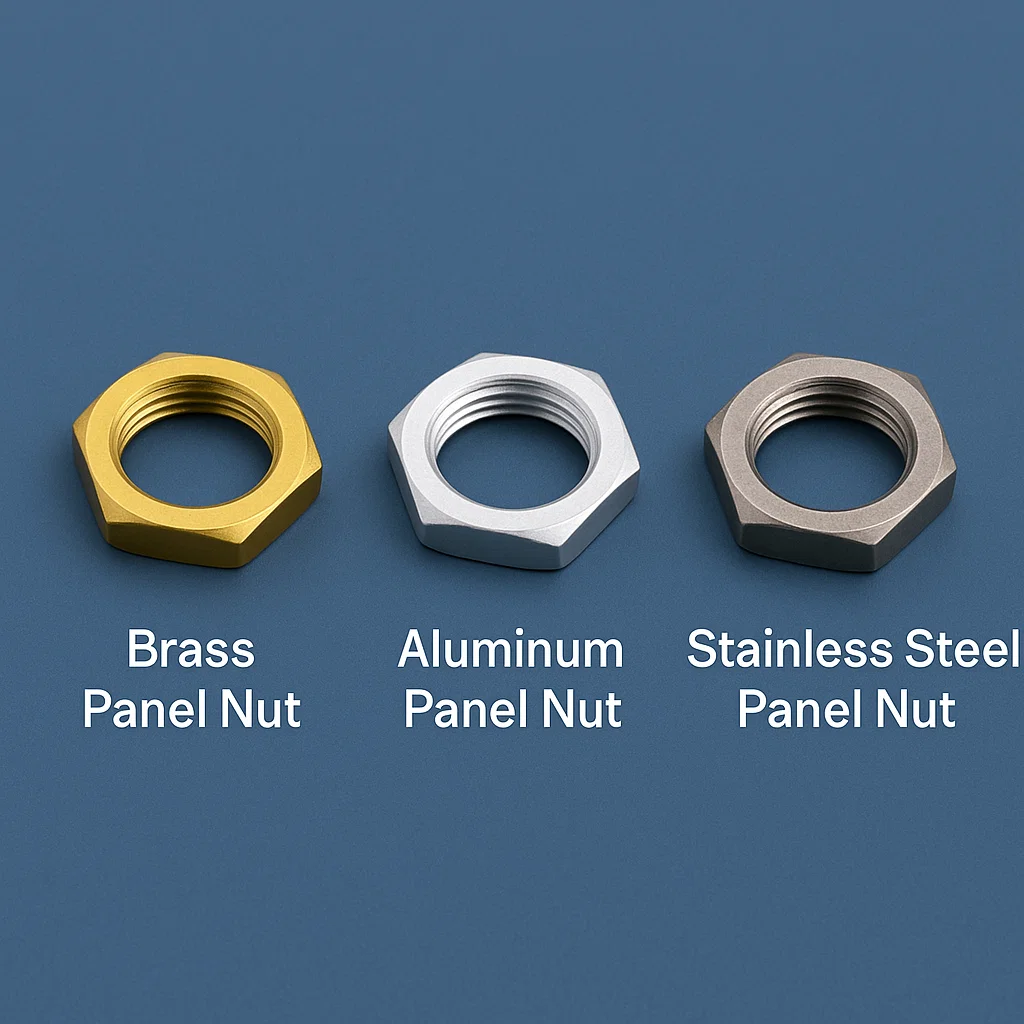
Panel Nuts, Brass Panel Nuts, Stainless Steel Panel Nuts – Premium Manufacturing

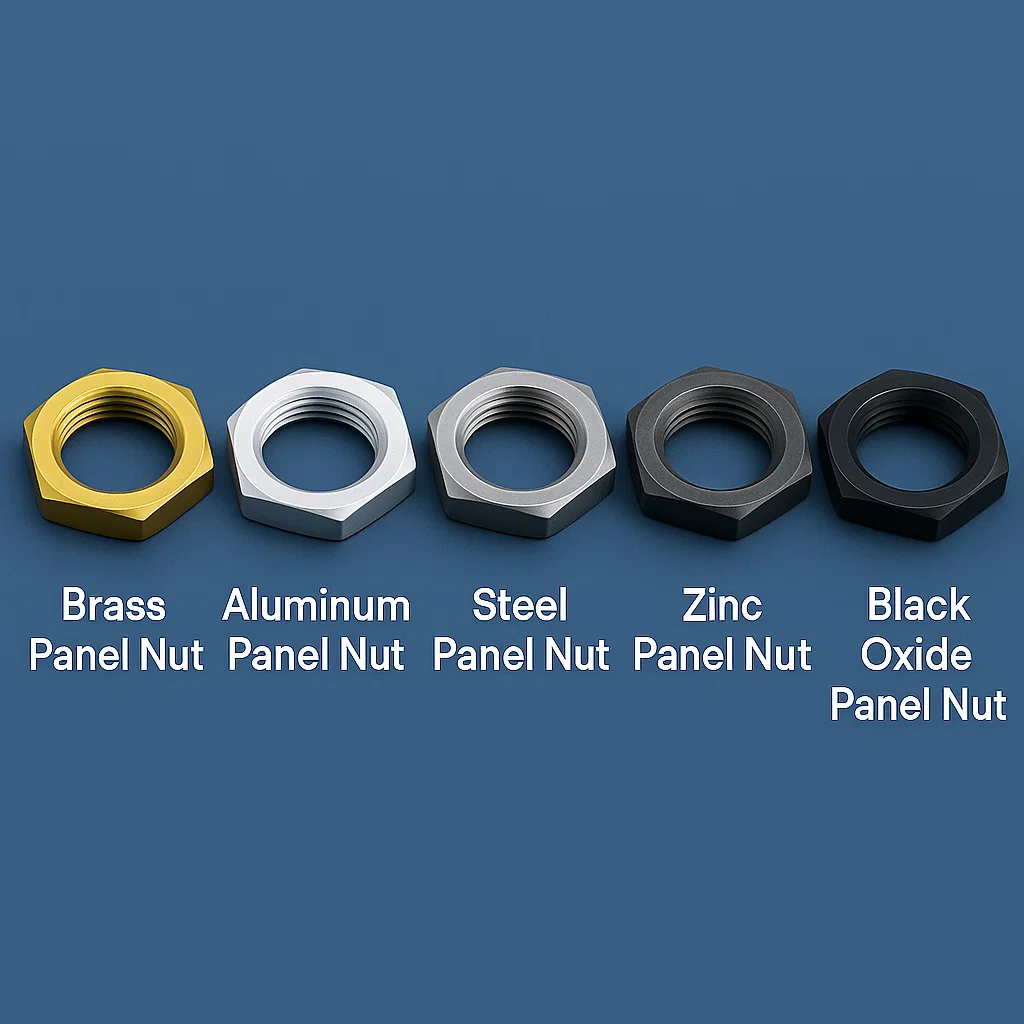
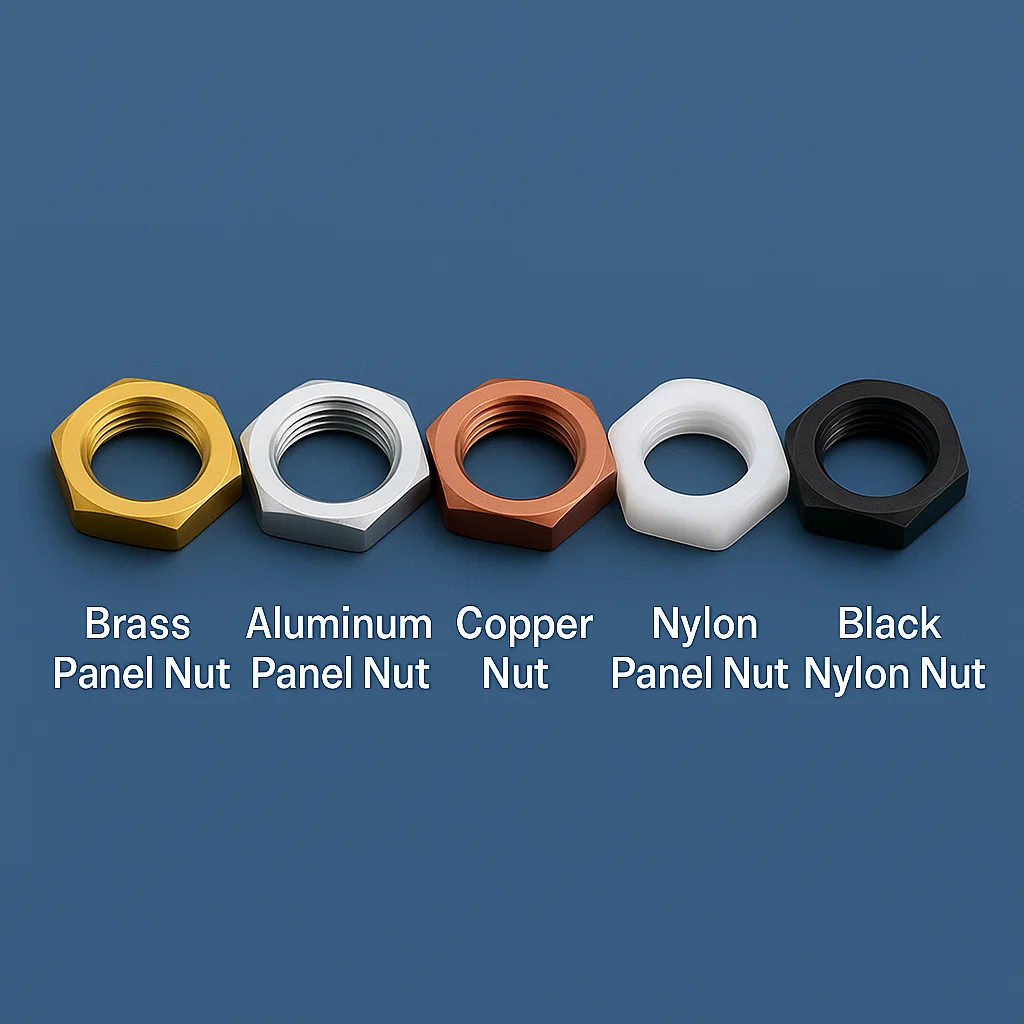
We are one of the leading manufacturers and exporters of Panel Nuts, Brass Panel Nuts, Stainless Steel Panel Nuts, Aluminum Panel Nuts, and specialized fastening solutions from India. We have been supplying high-precision panel nuts, sheet metal nuts, clip nuts, and enclosure nuts to the world market for many decades. Our comprehensive manufacturing capabilities encompass metric, UNEF, and UNC threading standards, serving industries across aerospace, automotive, electronics, telecommunications, and industrial equipment sectors. With state-of-the-art CNC machining centers, precision cold heading equipment, and advanced quality control systems, we deliver panel nuts that meet stringent international standards including ASTM, DIN, JIS, BS, and IS specifications. Our engineering team specializes in custom panel nut solutions, offering technical design assistance, material optimization, and flexible production scheduling to meet diverse customer requirements. From standard hex panel nuts to specialized self-locking variants, our product range covers thread sizes from M3 to M20 in metric, #4-40 to 1/2-13 in UNC, and various UNEF configurations, all manufactured with precise tolerances and superior surface finishes.
Price: US$ 12/kilogram, CIF USA sea port
Comprehensive Panel Nut Product Range
Panel Nuts represent a critical fastening component designed for secure attachment through thin panels, sheet metal assemblies, and electronic enclosures. These specialized nuts feature a flanged design that distributes load across the panel surface, preventing pull-through and ensuring reliable mechanical connections. Our panel nuts are manufactured using precision machining and cold forming processes, incorporating high-strength materials that provide excellent corrosion resistance and mechanical performance. The hexagonal configuration allows for easy installation using standard tools, while the integrated flange eliminates the need for separate washers. Available in various thread pitches and diameters, our panel nuts accommodate diverse assembly requirements across multiple industries including telecommunications equipment, control panels, electronic chassis, and automotive applications.
Brass Panel Nuts offer exceptional corrosion resistance and electrical conductivity, making them ideal for electronic applications, marine environments, and decorative assemblies. Manufactured from high-grade CuZn39Pb3 (CW614N), CuZn36 (CW608N), and CuZn40 (CW509L) brass alloys conforming to DIN EN 12164, these panel nuts provide superior machinability and excellent thread forming characteristics. The natural antimicrobial properties of Brass make these panel nuts suitable for medical equipment and food processing applications. Our Brass panel nuts undergo precision CNC machining to achieve tight dimensional tolerances of ±0.05mm, ensuring consistent performance and reliable assembly. The golden appearance of Brass panel nuts also serves aesthetic purposes in architectural hardware and decorative applications, while maintaining functional integrity under varying environmental conditions.
Stainless Steel Panel Nuts deliver unmatched corrosion resistance and mechanical strength for demanding applications in chemical processing, marine equipment, and high-temperature environments. Manufactured from premium grades including 316L (1.4404), 304 (1.4301), 321 (1.4541), and 17-4PH (1.4542) stainless steel conforming to ASTM A276 and DIN EN 10088 standards, these panel nuts maintain structural integrity in temperatures ranging from -200°C to +400°C. The austenitic structure of 316L provides excellent resistance to chloride corrosion, making it ideal for offshore applications and chemical plant installations. Our Stainless Steel panel nuts feature passivated surfaces that enhance corrosion resistance while maintaining the natural luster of the material. The non-magnetic properties of austenitic grades make these panel nuts suitable for electronic applications where magnetic interference must be minimized. Our Stainless Steel 316 panel nuts and Stainless Steel 304 grade panel nuts are most exported to the USA.
Aluminum Panel Nuts provide lightweight solutions with excellent strength-to-weight ratios, making them perfect for aerospace applications, electronic enclosures, and weight-critical assemblies. Manufactured from 6061-T6, 2024-T4, and 7075-T6 aluminum alloys meeting ASTM B211 and AMS specifications, these panel nuts offer superior machinability and anodizing compatibility. The natural corrosion resistance of Aluminum is enhanced through hard anodizing processes, providing surface hardness up to 60 HRC while maintaining electrical conductivity when required. Our Aluminum panel nuts are extensively used in avionics, satellite communication equipment, and portable electronic devices where weight reduction is critical. The thermal conductivity of Aluminum also makes these panel nuts suitable for heat dissipation applications in LED lighting and power electronics assemblies.
Sheet Metal Panel Nuts are specifically engineered for thin gauge metal panel applications, featuring optimized flange geometries that maximize holding strength while minimizing panel deformation. These specialized fasteners incorporate enlarged bearing surfaces that distribute installation and service loads across greater panel areas, preventing stress concentration and potential failure points. Our sheet metal panel nuts are available in floating and fixed configurations, accommodating panel thickness variations and assembly tolerances commonly encountered in HVAC equipment, electrical panels, and industrial enclosures. The low-profile design maintains minimal protrusion from panel surfaces while providing full thread engagement for secure fastening. Manufacturing processes include precision stamping, cold heading, and secondary machining operations to achieve optimal dimensional accuracy and surface finish characteristics.
Brass Sheet Metal Nuts combine the electrical conductivity and corrosion resistance of Brass with specialized geometries optimized for thin panel applications. These nuts feature chamfered edges and optimized flange profiles that facilitate easy installation while maintaining electrical continuity across panel joints. Manufactured from CuZn37 (CW508L) and CuZn39Pb3 (CW614N) alloys, these components provide excellent EMI/RFI shielding properties essential in electronic enclosure applications. The malleability of Brass allows for specialized forming operations that create integrated sealing surfaces, eliminating the need for additional gaskets in many applications. Our Brass sheet metal nuts undergo comprehensive testing for electrical conductivity, ensuring consistent performance in grounding applications and electrical panel assemblies.
Brass Clip Nuts represent innovative fastening solutions that combine the functionality of traditional panel nuts with spring-loaded retention mechanisms. These components feature integral spring clips that maintain positive engagement with panel surfaces while accommodating thermal expansion and vibration-induced movement. The clip mechanism allows for rapid installation and removal without requiring access to the rear of panel assemblies, significantly reducing assembly time and maintenance costs. Manufactured from high-strength CuZn40 (CW509L) Brass with specially heat-treated spring elements, these clip nuts provide reliable retention forces exceeding 500N while maintaining easy disassembly when required. Applications include telecommunications equipment, computer chassis, and access panels where frequent service access is necessary.
Self-locking Panel Nuts incorporate advanced thread-locking technologies that prevent loosening under vibration and dynamic loading conditions without requiring additional locking compounds or secondary operations. These specialized fasteners feature integrated nylon inserts, deformed thread sections, or prevailing torque mechanisms that maintain assembly integrity throughout the service life of the application. Our self-locking panel nuts are manufactured to meet stringent aerospace and automotive specifications including AS3350, DIN 934, and ISO 7040 standards, ensuring reliable performance in critical applications. The self-locking feature eliminates the need for separate lock washers or thread-locking compounds, reducing assembly complexity and potential failure modes. Available in both metallic and non-metallic locking configurations, these panel nuts provide solutions for temperature ranges from -65°C to +250°C while maintaining consistent prevailing torque characteristics.
Brass Panel Lock Nuts provide secure fastening solutions where traditional panel nuts require additional locking mechanisms to prevent loosening. These components incorporate integrated locking features such as serrated flanges, witness holes, or castellated designs that allow for positive locking using cotter pins or safety wire. The superior corrosion resistance of Brass makes these panel lock nuts ideal for marine applications, chemical processing equipment, and outdoor installations where environmental exposure is a concern. Manufacturing processes include precision machining of locking features followed by stress-relief operations to ensure dimensional stability and prevent stress-corrosion cracking. Our Brass panel lock nuts comply with military specifications including MIL-DTL-1222 and MS51967, providing reliability in critical aerospace and defense applications.
Enclosure Nuts are specialized fasteners designed for secure attachment of covers, doors, and access panels in electronic and electrical enclosures. These components feature low-profile designs that minimize interference with internal components while providing robust mechanical connections capable of withstanding repeated opening and closing cycles. Our enclosure nuts incorporate sealing features including O-ring grooves and gasket seats that maintain environmental protection ratings including IP54, IP65, and NEMA 4X classifications. The materials selection includes corrosion-resistant alloys and protective coatings that ensure long-term reliability in indoor and outdoor installations. Manufacturing processes emphasize dimensional consistency and surface quality to ensure proper sealing performance and ease of assembly in automated production environments.
Brass UNEF Panel Nuts cater to applications requiring the fine pitch threading characteristics specified by Unified Extra Fine (UNEF) thread standards. These specialized fasteners provide increased thread engagement in thin sections while maintaining superior vibration resistance compared to coarse thread alternatives. The fine pitch threading of UNEF panel nuts makes them particularly suitable for precision instruments, optical equipment, and high-vibration applications where thread stripping must be avoided. Our Brass UNEF panel nuts are manufactured using precision thread rolling and cutting operations to achieve Class 2B fit tolerances as specified in ASME B1.1 standards. The natural lubricity of Brass combined with fine pitch threading provides smooth installation characteristics while maintaining high clamp loads and resistance to vibrational loosening.
Technical Specifications and Dimensional Chart
| Thread Standard | Thread Size | Hex Size (mm) | Flange Diameter (mm) | Overall Thickness (mm) | Panel Thickness Range (mm) |
|---|---|---|---|---|---|
| Metric | M3 x 0.5 | 5.5 | 8.0 | 3.2 | 0.5 – 1.5 |
| Metric | M4 x 0.7 | 7.0 | 10.0 | 4.0 | 0.8 – 2.0 |
| Metric | M5 x 0.8 | 8.0 | 12.0 | 4.5 | 1.0 – 2.5 |
| Metric | M6 x 1.0 | 10.0 | 14.0 | 5.0 | 1.2 – 3.0 |
| Metric | M8 x 1.25 | 13.0 | 18.0 | 6.5 | 1.5 – 4.0 |
| UNC | #4-40 | 6.4 | 9.5 | 3.2 | 0.8 – 1.6 |
| UNC | #6-32 | 7.9 | 11.1 | 4.0 | 1.0 – 2.0 |
| UNC | #8-32 | 9.5 | 12.7 | 4.8 | 1.2 – 2.5 |
| UNC | #10-24 | 11.1 | 15.9 | 5.6 | 1.5 – 3.0 |
| UNEF | #6-40 | 7.9 | 11.1 | 4.0 | 1.0 – 2.0 |
| UNEF | #8-36 | 9.5 | 12.7 | 4.8 | 1.2 – 2.5 |
| UNEF | #10-32 | 11.1 | 15.9 | 5.6 | 1.5 – 3.0 |
Material Grades and International Standards
| Material Type | Grade/Specification | International Standards | Chemical Composition | Mechanical Properties |
|---|---|---|---|---|
| Brass | CuZn39Pb3 (CW614N) | DIN EN 12164, ASTM B16, JIS H3250 | Cu: 60-63%, Zn: 35.5-38.5%, Pb: 2.5-3.5% | Tensile: 360-500 MPa, Yield: 150-250 MPa |
| Brass | CuZn36 (CW608N) | DIN EN 12164, BS EN 12163, IS 319 | Cu: 62-65%, Zn: 35-38% | Tensile: 340-420 MPa, Yield: 120-200 MPa |
| Stainless Steel | 316L (1.4404) | ASTM A276, DIN EN 10088, JIS G4303 | Cr: 16-18%, Ni: 10-14%, Mo: 2-3% | Tensile: 485-620 MPa, Yield: 170-310 MPa |
| Stainless Steel | 304 (1.4301) | ASTM A276, GB/T 1220, IS 6911 | Cr: 17-20%, Ni: 8-10.5% | Tensile: 515-620 MPa, Yield: 205-310 MPa |
| Aluminum | 6061-T6 | ASTM B211, AMS 4025, JIS H4040 | Mg: 0.8-1.2%, Si: 0.4-0.8%, Cu: 0.15-0.4% | Tensile: 290-310 MPa, Yield: 240-270 MPa |
| Aluminum | 2024-T4 | ASTM B211, AMS 4037, DIN 3.1355 | Cu: 3.8-4.9%, Mg: 1.2-1.8%, Mn: 0.3-0.9% | Tensile: 440-470 MPa, Yield: 275-325 MPa |
Manufacturing Processes and Machinery
Our advanced manufacturing facilities utilize state-of-the-art equipment and precision processes to ensure consistent quality and dimensional accuracy across all panel nut variants. Bar turning, Sheet metal and Cold heading operations form the basic nut geometry using high-speed progressive headers capable of producing up to 400 pieces per minute with exceptional material utilization efficiency. These machines, including Sakamura and Nedschroef multi-station headers, operate with servo-controlled ram positioning systems that maintain forming tolerances within ±0.02mm throughout production runs.
CNC machining centers equipped with live tooling and sub-spindle capabilities perform secondary operations including hex broaching, flange profiling, and thread cutting operations. Our Haas, DMG Mori, and Mazak machining centers feature adaptive control systems that monitor cutting forces and tool wear, ensuring consistent surface finishes and dimensional accuracy. Thread rolling operations utilize Fette and Profiroll machinery with carbide dies that produce superior thread forms with enhanced fatigue resistance compared to cut threads.
Heat treatment processes include solution annealing for Stainless Steel components, stress relief for Brass parts, and age hardening for Aluminum alloys. Our controlled atmosphere furnaces maintain precise temperature profiles with ±5°C accuracy, ensuring optimal mechanical properties and dimensional stability. Quality control systems incorporate coordinate measuring machines (CMM), optical comparators, and automated gauging stations that verify critical dimensions and thread parameters according to international standards.
Surface Finishes and Plating Options
| Base Material | Finish Type | Thickness (μm) | Corrosion Resistance | Applications |
|---|---|---|---|---|
| Steel | Zinc Plating (Clear/Yellow) | 5-15 | 96-240 hours neutral salt spray | General industrial applications |
| Steel | Zinc Nickel Alloy | 8-12 | 720+ hours neutral salt spray | Automotive, marine applications |
| Steel | Nickel Plating | 10-25 | Excellent chemical resistance | Electronic equipment |
| Brass | Natural/Unplated | N/A | Good atmospheric corrosion resistance | Electrical applications |
| Brass | Nickel + Chrome | 15-20 + 0.3-0.5 | Superior corrosion and wear resistance | Decorative applications |
| Aluminum | Hard Anodizing (Type III) | 25-75 | Excellent wear and corrosion resistance | Aerospace, military applications |
| Stainless Steel | Passivation | N/A (Chemical treatment) | Enhanced corrosion resistance | Medical, food processing |
Industries and Applications
Our panel nuts serve critical applications across diverse industries where reliable fastening solutions are essential for operational safety and performance. Aerospace and Defense applications utilize our precision-manufactured panel nuts in aircraft avionics, satellite systems, radar equipment, and military vehicles where compliance with stringent specifications including MIL-DTL standards is mandatory. The lightweight properties of Aluminum panel nuts combined with high-strength characteristics make them ideal for weight-critical applications while maintaining structural integrity under extreme environmental conditions.
Electronics and Telecommunications industries rely extensively on our panel nuts for server chassis, network equipment, telecommunications cabinets, and consumer electronics assemblies. The electrical conductivity of Brass panel nuts provides essential EMI/RFI shielding while facilitating efficient grounding connections in sensitive electronic circuits. Our low-profile enclosure nuts enable high-density component packaging in modern electronic devices while maintaining accessibility for service and maintenance operations.
Automotive and Transportation applications incorporate our panel nuts in instrument panels, electronic control units, vehicle lighting systems, and charging infrastructure for electric vehicles. The vibration resistance of self-locking panel nuts ensures reliable connections throughout vehicle service life, while corrosion-resistant materials withstand harsh automotive environments including road salt exposure and temperature cycling. Our panel nuts meet automotive industry standards including Ford WSS, GM GMW, and International specifications for global vehicle platforms.
Industrial Equipment and Machinery sectors utilize our panel nuts in control panels, machine enclosures, power distribution equipment, and process control systems. The robust construction and corrosion resistance of Stainless Steel panel nuts provide reliable service in chemical processing plants, water treatment facilities, and offshore installations where environmental exposure is severe. Our panel nuts accommodate the thermal expansion and vibration characteristics common in industrial machinery while maintaining electrical continuity for safety circuits and monitoring systems.
Why Choose Our Panel Nuts – Unique Selling Propositions
Customization Expertise and Engineering Support: Our experienced engineering team provides comprehensive technical support including custom design modifications, material selection guidance, and assembly optimization recommendations. We offer specialized threading options, modified flange geometries, and integrated features tailored to specific application requirements. Our in-house design capabilities include 3D modeling, finite element analysis, and prototype development services that reduce customer development time and ensure optimal product performance.
Production Flexibility and Rapid Turnaround: While maintaining our standard delivery schedule of 4-6 weeks for regular production orders, we offer expedited manufacturing services for urgent requirements with delivery times as short as 2-3 weeks for standard configurations. Our flexible production scheduling accommodates both large volume orders and small batch custom requirements, enabling customers to optimize inventory levels while ensuring product availability. Emergency shipment capabilities ensure critical applications maintain operational continuity.
Quality Assurance and Global Experience: Three decades of international manufacturing experience has established our reputation for consistent quality and reliability across diverse markets and applications. Our ISO 9001:2015 certified quality management system incorporates statistical process control, incoming material verification, and comprehensive final inspection procedures. Our global supply chain experience ensures compliance with international standards and regulations while providing responsive customer service across time zones.
Custom Packaging and Branding Solutions: We provide flexible packaging options including custom labeling with customer logos, specialized anti-static packaging for electronic applications, and bulk packaging configurations that optimize shipping costs and handling efficiency. Our packaging engineers work with customers to develop application-specific packaging solutions that protect products during shipping while facilitating efficient assembly line integration. Private labeling services enable OEM customers to maintain brand consistency throughout their supply chain.
Comprehensive Technical Documentation: Our technical team provides detailed product certifications, material test reports, and dimensional inspection data with each shipment, ensuring full traceability and compliance with customer specifications. We maintain extensive technical libraries including installation guidelines, torque specifications, and application notes that support customer engineering teams throughout the product development process. Regular technical seminars and training sessions keep customers informed of new developments and best practices in panel nut applications.
Tolerances and Quality Standards
| Dimension Type | Standard Tolerance | Precision Tolerance | Measurement Method | Applicable Standards |
|---|---|---|---|---|
| Thread Pitch | Class 2B (ASME B1.1) | Class 3B (ASME B1.1) | Thread ring gauges | ASME B1.1, DIN 13, JIS B0207 |
| Hex Size | ±0.10 mm | ±0.05 mm | CMM measurement | DIN 934, ISO 4032 |
| Flange Diameter | ±0.15 mm | ±0.08 mm | Optical comparator | Customer specifications |
| Overall Thickness | ±0.12 mm | ±0.06 mm | Digital calipers | ISO 2768-m |
| Flange Flatness | 0.05 mm TIR | 0.025 mm TIR | Surface plate measurement | ASME Y14.5 |
| Surface Roughness | Ra 1.6 μm | Ra 0.8 μm | Surface profilometer | ISO 4287 |
Performance Metrics and Testing
Tensile Strength Testing: All panel nuts undergo comprehensive mechanical testing to verify load-carrying capacity and failure modes under various loading conditions. Our test protocols include axial pull-out testing, shear strength evaluation, and fatigue cycling to simulate service conditions. Test results consistently demonstrate panel nut performance exceeding design requirements with safety factors of 3:1 or greater for critical applications.
Torque Performance Analysis: Installation and breakaway torque measurements ensure consistent assembly characteristics and prevent over-tightening during installation. Our testing includes coefficient of friction evaluation for various material combinations and surface finishes, enabling accurate torque specifications for customer assembly procedures. Torque-tension relationships are documented for each material and finish combination to optimize clamp load development.
Corrosion Resistance Validation: Salt spray testing according to ASTM B117 and cyclic corrosion testing per ASTM G85 verify the long-term durability of plated finishes and base materials in corrosive environments. Our test results exceed industry standards with zinc-plated components achieving 240+ hours neutral salt spray resistance and Stainless Steel materials demonstrating no visible corrosion after 1000+ hours exposure.
“We have been sourcing panel nuts from this manufacturer for over 8 years for our telecommunications equipment production. Their Brass panel nuts provide excellent electrical conductivity and corrosion resistance, while their engineering team has been instrumental in developing custom solutions for our high-density server chassis applications. The consistent quality and on-time delivery have made them an invaluable partner in our global supply chain.”
– Michael Thompson, Senior Procurement Manager, Toronto, Canada
“The Stainless Steel panel nuts we purchase for our marine equipment have performed exceptionally well in harsh saltwater environments. Their technical support team provided valuable guidance on material selection and installation procedures, resulting in zero field failures over three years of service. The 4-6 week lead time fits perfectly with our production planning, and their custom packaging with our company logo adds a professional touch to our product presentation.”
– Sarah Daniel, Engineering Director, Melbourne, Australia
Frequently Asked Questions
Q: What is the difference between panel nuts and regular hex nuts for sheet metal applications?
A: Panel nuts feature integrated flanges that distribute load across panel surfaces, preventing pull-through and eliminating the need for separate washers. The flange design provides greater bearing surface area compared to regular hex nuts, making them ideal for thin panel applications where standard nuts might deform or damage the panel material.
Q: Can Brass panel nuts be used in high-temperature applications?
A: Brass panel nuts maintain structural integrity and dimensional stability in temperatures up to 200°C, making them suitable for most electronic and automotive applications. For higher temperature requirements exceeding 250°C, we recommend our Stainless Steel panel nuts which maintain properties up to 400°C without oxidation or strength degradation.
Q: What are the advantages of self-locking panel nuts over standard panel nuts with thread-locking compounds?
A: Self-locking panel nuts provide consistent prevailing torque without requiring additional thread-locking compounds, reducing assembly costs and eliminating potential contamination issues. The integrated locking mechanism ensures reliable performance throughout multiple assembly and disassembly cycles while maintaining predictable installation torque requirements.
Q: How do I determine the correct panel thickness range for specific panel nut configurations?
A: Panel thickness compatibility depends on the overall height of the panel nut and the desired thread engagement length. Our dimensional charts specify recommended panel thickness ranges for each size, ensuring adequate thread engagement while preventing interference with internal components. Our engineering team can provide application-specific recommendations based on your assembly requirements.
Q: Are your panel nuts compatible with automated assembly equipment?
A: Yes, our panel nuts are designed for compatibility with automated assembly systems including robotic installation equipment and pneumatic nut runners. The consistent dimensional tolerances and surface finishes ensure reliable feeding through vibratory bowl feeders and pick-and-place systems. We can provide orientation features and custom packaging to optimize automated assembly processes.
Q: What quality certifications do you provide with panel nut shipments?
A: Each shipment includes comprehensive documentation including material test certificates, dimensional inspection reports, and compliance certificates for applicable international standards. We provide full material traceability with heat lot numbers and chemical analysis reports for critical applications requiring complete documentation for regulatory compliance.
Q: Can you manufacture panel nuts with custom thread pitches or non-standard dimensions?
A: Our custom manufacturing capabilities include specialized threading options, modified flange geometries, and non-standard material combinations. Custom panel nuts require engineering evaluation and prototype development, typically adding 2-3 weeks to standard delivery schedules. We maintain tooling for previous custom applications to facilitate repeat orders.
Q: What is the minimum order quantity for standard panel nut configurations?
A: Standard panel nuts have minimum order quantities of 1,000 pieces per size and material combination. For custom configurations or specialized materials, minimum quantities may vary based on setup requirements and tooling considerations. We offer sample quantities for evaluation and prototype applications.
Q: How do environmental factors affect panel nut material selection?
A: Material selection should consider operating temperature range, exposure to chemicals or moisture, electrical conductivity requirements, and weight constraints. Stainless Steel provides superior corrosion resistance for marine environments, while Aluminum offers weight savings for aerospace applications. Our technical team provides material recommendation based on specific environmental conditions.
Q: What are the typical failure modes for panel nuts in service applications?
A: Common failure modes include thread stripping due to over-torquing, flange cracking from excessive panel deformation, and corrosion-related degradation in harsh environments. Proper installation procedures, appropriate material selection, and adequate panel support prevent most failure modes. Our technical guidelines provide installation best practices for each application type.
Q: Can panel nuts be reused after disassembly?
A: Standard panel nuts can typically be reused multiple times provided they show no signs of thread damage, flange deformation, or corrosion. Self-locking panel nuts may experience reduced locking effectiveness after multiple uses, requiring replacement based on prevailing torque measurements. We recommend visual inspection and dimensional verification before reuse in critical applications.
Q: What surface treatments are recommended for panel nuts in EMI/RFI shielding applications?
A: Brass and Copper-plated panel nuts provide excellent EMI/RFI shielding effectiveness due to high electrical conductivity. Nickel plating offers good conductivity with enhanced corrosion resistance, while silver plating provides maximum conductivity for critical applications. Conductive gaskets and proper grounding procedures optimize shielding performance in electronic enclosures.
Q: How do you ensure consistent quality across large production quantities?
A: Our statistical process control systems monitor critical parameters throughout production using automated gauging stations and coordinate measuring machines. In-process inspections verify dimensional accuracy, while final inspection procedures ensure compliance with customer specifications. ISO 9001:2015 certification and continuous improvement programs maintain quality consistency across all production volumes.
Q: What technical support do you provide for new panel nut applications?
A: Our technical support includes application analysis, material selection guidance, installation procedure development, and prototype evaluation services. Our engineering team works closely with customers to optimize panel nut configurations for specific applications, providing 3D models, technical drawings, and installation guidelines. Ongoing support ensures successful implementation and performance optimization.
Q: Can you provide panel nuts with special marking or identification requirements?
A: Yes, we offer various marking options including laser engraving, color coding, and custom stamping for identification and traceability requirements. Marking options depend on material type and size constraints, with laser marking providing permanent identification for critical applications. Custom marking may require minimum order quantities and additional lead time for setup.
Packaging and Shipping
Our comprehensive packaging solutions ensure product protection during international shipping while optimizing handling efficiency and cost-effectiveness. Standard packaging utilizes anti-corrosion VCI (Vapor Corrosion Inhibitor) materials for long-term storage stability, with products organized in clearly labeled poly bags containing quantity verification tags and material identification labels. Bulk packaging options include vibration-resistant containers with divided compartments that prevent size mixing and facilitate inventory management.
Custom packaging services accommodate specific customer requirements including private labeling with company logos, specialized anti-static packaging for electronic applications, and automated assembly line compatible packaging configurations. Our packaging engineers collaborate with customers to develop optimized packaging solutions that reduce handling time, minimize waste, and integrate seamlessly with existing warehouse management systems. Export packaging meets international shipping regulations while providing superior product protection throughout the supply chain.
Shipping and logistics coordination includes comprehensive documentation preparation, customs clearance support, and delivery scheduling that accommodates customer production requirements. Our established relationships with international freight forwarders ensure reliable transit times and competitive shipping rates for both air and ocean freight options. Real-time shipment tracking and proactive communication keep customers informed throughout the delivery process, enabling effective production planning and inventory management.
Glossary of Terms
Panel Nut: A specialized fastener designed for attachment through thin panels, featuring an integrated flange that distributes load and prevents pull-through.
Cold Heading: A manufacturing process that forms metal components at room temperature using high-pressure dies, producing superior material properties compared to machined parts.
UNEF (Unified Extra Fine): A thread standard featuring finer pitch threading than UNC, providing increased thread engagement and vibration resistance in thin sections.
Prevailing Torque: The additional torque required to install self-locking nuts, measured as the difference between installation torque and standard nut torque.
Flange Diameter: The outer diameter of the integrated flange portion of a panel nut, determining the bearing surface area and load distribution characteristics.
Thread Class: A designation system specifying thread tolerance grades, with Class 2B representing standard commercial tolerances and Class 3B indicating precision tolerances.
Passivation: A chemical treatment process for Stainless Steel that removes free iron from the surface and enhances natural corrosion resistance.
EMI/RFI Shielding: Electromagnetic and Radio Frequency Interference protection provided by conductive materials that prevent signal interference in electronic applications.
TIR (Total Indicator Reading): A measurement specification indicating the maximum allowable deviation from true position or flatness, expressed as the total range of variation.
Coefficient of Friction: A dimensionless value representing the resistance to sliding between two surfaces, affecting torque-tension relationships in threaded fasteners.
Related Parts:
Panel nuts, Brass panel nuts, Stainless steel panel nuts, Aluminum panel nuts, Sheet metal panel nuts, Self-locking panel nuts, Enclosure nuts, UNEF panel nuts, Metric panel nuts, UNC panel nuts
Manufacturing terms: Panel nut manufacturer India, Custom panel nuts, Precision panel nuts, CNC machined panel nuts, Cold headed panel nuts, Thread rolled panel nuts, Panel nut exporter
Application : Electronic enclosure nuts, Telecommunications panel nuts, Aerospace panel nuts, Automotive panel nuts, Marine panel nuts, Industrial panel nuts, EMI shielding nuts
Technical: Panel nut dimensions, Panel nut tolerances, Panel nut specifications, Thread class panel nuts, Hex panel nuts, Floating panel nuts, Fixed panel nuts
Material : Brass CW614N panel nuts, 316L stainless steel panel nuts, 6061-T6 aluminum panel nuts, Nickel plated panel nuts, Zinc plated panel nuts, Anodized panel nuts
Contact Us for Your Panel Nut Requirements
Ready to discuss your panel nut requirements with our technical experts? Our experienced engineering team is available to provide application guidance, custom solutions, and competitive quotations for your specific needs.
🔥 Request Your Free Quote – Get competitive pricing in 24 hours- sales@brass-copper-parts.com
🔬 Schedule Technical Consultation – Discuss your specific requirements Call +91 22-43449300
📦 Order Sample Parts – Test our quality before committing Call +91 22-43449300
📞 Call Our Experts – Get immediate answers to your questions Call +91 22-43449300
Experience the difference that three decades of manufacturing expertise and commitment to quality can make in your next project. Contact us today to discover why leading companies worldwide choose our panel nuts for their critical applications.
USA Sales:We supply precision brass and copper electrical components to America’s industry leaders—Fortune 500 manufacturers and cutting-edge technology companies alike. Our globally sourced products consistently exceed U.S. quality and safety standards while helping you simplify supply chains, control costs, and accelerate innovation in electrical systems, renewable energy, and smart grid technologies. With DDP pricing to all 50 states and a dedicated U.S. sales team, we make procurement seamless. Request your quote today.
Product categories
Related Products
-

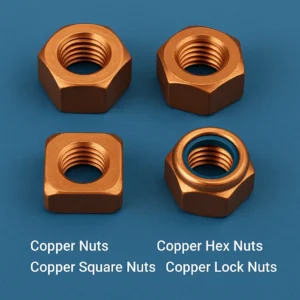
Copper Nuts
₹15.30 Add to cart -
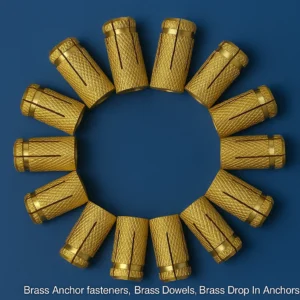
Brass Anchors, Brass Drop n Anchors
₹11.80 Add to cart -
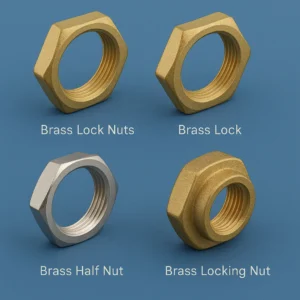
Brass Lock Nuts, Brass Locking Nuts
₹11.80 Add to cart -
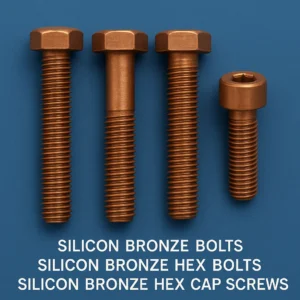
Silicon Bronze Bolts, Silicon Bronze Hex Bolts , Silicon Bronze Fasteners
₹13.40 Add to cart -
Copper Hex Bolts, Copper Bolts
₹15.30 Add to cart -
Brass Screws
₹11.80 Add to cart -
Brass Machine Screws
₹11.80 Add to cart -
Brass Anchors
₹11.80 Add to cart