Copper Lugs and Copper Crimp Lugs – High-Conductivity Cable Terminals for Power and Electrical Applications
Copper lugs and copper crimp lugs (copper cable terminals) are compression-type cable end connectors manufactured from high-conductivity electrolytic tough-pitch (ETP) copper (C11000) or tinned copper, used to terminate copper power cables at equipment terminals, switchgear, motor control centers, transformers, and distribution boards. Copper crimp lugs ensure a gas-tight, low-resistance electrical connection between conductor and equipment terminal, and are used by electrical OEMs, EPC contractors, power utilities, and panel builders in the USA and globally. Available in standard and heavy-duty configurations, copper cable lugs comply with IEC 61238-1, UL 486A, and DIN 46234 standards.
Product Overview
Brass and Copper Parts manufactures copper crimp lugs for conductor sizes from 1.5mm2 to 630mm2 (AWG 18 to 1200 kcmil). Copper lugs are available in bare copper, tinned copper, and nickel-plated copper. The barrel (wire entry) is dimensioned per IEC 61238-1 compression class B or C, and the palm (tongue) is drilled to DIN 46234 or UL 486A hole specifications. Two-hole and four-hole palms are available for high-current substation, transformer, and generator applications. Tinned copper lugs are standard for most electrical installations due to their superior contact reliability and resistance to oxidation.
Product Types and Variants
By Finish
- Bare (Electrolytic) Copper Lugs – 99.9% ETP copper, natural finish; for dry indoor environments
- Tinned Copper Crimp Lugs – Electrolytic tin-plated (2–10 micron); most widely specified; prevents tarnish and ensures stable contact resistance
- Nickel-Plated Copper Lugs – For high-temperature applications and aggressive chemical environments
- Silver-Plated Copper Lugs – For minimum contact resistance at high-current joints in substations and generators
By Barrel Configuration
- Standard Barrel Copper Lugs – General-purpose, IEC 61238-1 Class B
- Long Barrel Copper Lugs – Extended conductor insertion for higher pull-out force and lower resistance; Class C applications
- Short Barrel Copper Lugs – Compact for restricted space installations
- Reducing Barrel Copper Lugs – Accept smaller conductor in larger lug body
- Flexible (Rope Lay) Copper Lugs – For fine-strand flexible cables (Class 5 and Class 6 conductors)
By Palm (Tongue) Configuration
- Single-Hole Palm Copper Lugs – M6, M8, M10, M12, M16 bolt holes; DIN 46234 / IEC 61238-1
- Two-Hole Palm Copper Lugs – For high-current transformer, generator, and MV cable connections
- Four-Hole Palm Copper Lugs – For extra-high-current connections at 630mm2 and above
- Offset Palm Copper Lugs – 45° and 90° offset for cable routing flexibility
- Flag-Type (Right-Angle) Copper Lugs – Horizontal palm orientation for vertical cable runs
- Straight Barrel (Butt) Copper Connectors – For conductor-to-conductor splicing
By Application
- Power Cable Copper Lugs – MV and LV cable termination at panels, switchgear, and motors
- Ground and Earth Copper Lugs – For grounding cable termination to earthing studs and bars
- Battery Cable Copper Lugs – For DC battery, UPS, and energy storage cable connections
- Substation and Transformer Copper Lugs – Heavy-duty, two-hole or four-hole for high-current busbar connections
Key Features
- ETP Copper C11000 – 100% IACS electrical conductivity; minimum 99.9% pure copper
- Tinned finish available – prevents oxidation and maintains low contact resistance over service life
- Gas-tight crimp after compression – vibration-proof, moisture-proof connection
- Full range from 1.5mm2 to 630mm2 (IEC) and AWG 18 to 1200 kcmil (UL)
- Inspection window (view hole) option to verify conductor insertion before crimping
- Compatible with all standard hydraulic, ratchet, and hex crimp tools
- IEC 61238-1 Class B and Class C, UL 486A, DIN 46234 compliant
- RoHS 2 and REACH compliant; lead-free tin plating available
Technical Specifications
| Parameter | Specification |
|---|---|
| Material | ETP Copper C11000 (ASTM B187 / ASTM B3) |
| Conductor Size Range | 1.5mm2 to 630mm2 (IEC); AWG 18 to 1200 kcmil (UL) |
| Electrical Conductivity | 100% IACS minimum (C11000) |
| Bolt Hole Diameter | M5 (5.5mm), M6 (6.5mm), M8 (8.5mm), M10 (10.5mm), M12 (13mm), M16 (17mm) |
| Compression Standard | IEC 61238-1 Class B and Class C; UL 486A; DIN 46234 |
| Surface Finish | Bare copper, Tin-plated (2–10 micron), Nickel-plated, Silver-plated |
| Plating Standard | EN ISO 2093 (tin plating), EN ISO 4526 (nickel plating) |
| Temperature Rating | -40°C to +105°C (tinned); up to +150°C (nickel-plated) |
| Voltage Rating | Up to 1000V AC / 1500V DC (LV); MV rated on request |
| Barrel Wall Thickness | Per IEC 61238-1 Class B / C specification |
| Inspection Window | Available on specified models for conductor insertion verification |
Raw Material Grades and International Equivalents
| UNS (USA) | EN (Europe) | BS (UK) | DIN (Germany) | IS (India) | JIS (Japan) |
|---|---|---|---|---|---|
| C11000 (ETP) | CW004A | C101 | E-Cu58 | ETP Cu | C1100 |
| C10200 (OFC) | CW008A | C103 | OF-Cu | OFC | C1020 |
| C12200 (DHP) | CW024A | C106 | SF-Cu | DHP Cu | C1220 |
Applications in Industry
- Power Utilities and Substations: MV and LV power cable terminations, transformer LV winding connections, switchgear bus connections, generator output cable lugs
- EPC Contractors: Industrial power cable terminations, motor terminal connections, pump and compressor wiring, cable tray egress terminations
- Electrical OEMs: Panel board and MCC wiring, bus duct cable interface, UPS and battery system cable connections
- Renewable Energy: Solar inverter AC output cable lugs, wind turbine generator cable terminations, BESS DC bus connections
- Marine and Offshore: Deck cable terminations, marine switchboard connections, offshore platform power cable lugs
- Automotive and Industrial: Battery cable lugs, vehicle grounding cables, welding cable terminations, industrial machinery wiring
Manufacturing Process
Copper crimp lugs at Brass and Copper Parts are manufactured by cold forging and extrusion from ETP copper C11000 conforming to ASTM B187. The barrel is formed to precise inner dimensions for tight conductor fit after crimping. The palm is drilled and reamed to DIN 46234 or UL 486A bolt hole specifications, then deburred and chamfered. Tinning is applied by barrel electroplating or dip-tin process. Quality inspection includes barrel wall thickness check, bolt hole diameter verification, surface finish inspection, and random pull-out testing of crimped samples per IEC 61238-1. Products are packed in moisture-barrier poly bags with size labelling.
Quality Standards and Certifications
- IEC 61238-1 – Compression and Mechanical Connectors for Power Cables (Class A, B, C)
- UL 486A – Wire Connectors for Use with Copper Conductors (USA)
- DIN 46234 – Compression Cable Lugs for Copper Conductors
- ASTM B187 – Copper Bus Bar, Rod, and Shapes
- EN ISO 2093 – Electroplated Tin Coatings
- BS 4579 – Performance Requirements for Electrical Connectors
- RoHS 2 Directive Compliant
- ISO 9001:2015 Quality Management System
Why Choose Brass and Copper Parts
- Full range from 1.5mm2 to 630mm2 – one supplier for entire project lug requirements
- 100% IACS ETP copper – maximum conductivity, minimum connection resistance
- Tinned, nickel-plated, and silver-plated options for diverse installation environments
- IEC 61238-1, UL 486A, and DIN 46234 dual-standard compliance for USA and international projects
- Bulk project supply with full traceability and EN 10204 3.1 material certificates
- Custom palm configurations, two-hole/four-hole, and special conductor sizes on request
Frequently Asked Questions
What is a copper crimp lug?
A copper crimp lug (copper cable lug) is a compression cable terminal that connects a copper power cable to an equipment terminal point. The cable conductor is inserted into the barrel and mechanically compressed (crimped) using a hydraulic or ratchet tool to form a permanent, gas-tight electrical joint.
What is the difference between bare and tinned copper lugs?
Bare copper lugs are suitable for indoor dry installations where tarnishing is acceptable. Tinned copper lugs have a 2–10 micron electroplated tin coating that prevents surface oxidation, maintains stable low contact resistance over time, and is the standard specification for most electrical installations.
What conductor sizes do copper crimp lugs cover?
Our copper crimp lugs cover IEC conductor sizes from 1.5mm2 to 630mm2 and US AWG/kcmil sizes from AWG 18 to 1200 kcmil. Custom barrel sizing for non-standard conductors is available on request.
What is IEC 61238-1 Class B vs Class C?
Class B connectors meet standard electrical performance requirements for compression lugs. Class C connectors exceed Class B in conductor pull-out strength and maximum resistance ratio, and are specified for critical power utility, substation, and renewable energy applications requiring highest reliability.
Can copper lugs be used with aluminum conductors?
Standard copper lugs are designed for copper conductors only. For aluminum conductors, use aluminum crimp lugs or bi-metallic (aluminum-copper) lugs. Using a copper lug on an aluminum conductor without proper transition creates galvanic corrosion risk and is not recommended.
Do copper crimp lugs need inspection holes?
Inspection windows (view holes) in the barrel allow visual confirmation that the conductor has been fully inserted before crimping. They are recommended for critical installations and available on select models. For high-volume automated assembly, they simplify quality control.
What tools are used to crimp copper cable lugs?
Hydraulic compression tools with hex or indent die sets are standard for medium and large conductor sizes (16mm2 and above). Ratchet crimp tools are used for smaller conductor sizes (1.5mm2 to 35mm2). Die selection must match lug series and conductor cross-section per the manufacturer’s die chart.
Are your copper lugs UL listed?
Our copper crimp lugs are manufactured to UL 486A standards. Products can be supplied with UL-recognized compliance for projects requiring UL-listed components. Contact us for UL compliance documentation for specific product series.
What is the recommended torque for copper lug bolts?
Bolt torque depends on bolt size: M8 – 20 Nm; M10 – 40 Nm; M12 – 60 Nm; M16 – 100 Nm (approximate values per IEC 61238-1; refer to equipment manufacturer specifications). Use calibrated torque wrench and apply Belleville washers for bolted bus connections.
Do you supply two-hole and four-hole palm copper lugs?
Yes. Two-hole and four-hole palm copper lugs are available for high-current applications (typically 185mm2 and above) at transformer terminals, generator connections, and substation busbars. Specify palm hole pitch per DIN 46234 or customer drawing.
Suggested Schema Markup
Recommended: Product schema (name, brand: Brass and Copper Parts, material: ETP Copper C11000, manufacturer), FAQPage schema, BreadcrumbList: Home > Electrical Accessories > Copper Lugs Copper Crimp Lugs.
Suggested Image Alt Texts
- “Tinned copper crimp lugs IEC 61238-1 Class B single hole M10 – Brass and Copper Parts”
- “Copper cable lugs 240mm2 two-hole palm DIN 46234 for substation”
- “Bare copper crimping lugs 1.5mm2 to 630mm2 UL 486A compliant”
- “Copper lug long barrel tinned for flexible cable termination”
Request a Quote
Looking for copper crimp lugs in standard or custom configurations for your project? Brass and Copper Parts supplies IEC 61238-1, UL 486A, and DIN 46234 compliant copper cable lugs to power utilities, EPC contractors, electrical OEMs, and distributors in the USA and worldwide. Contact us for project datasheets, material certificates, and competitive pricing.
Product categories
Related Products
-

Copper Crimp Ferrules
Read more -
Aluminum Lugs, Crimping Lugs
Read more -
Brass Neutral Links
Read more -
Copper Ground Bars
Read more -
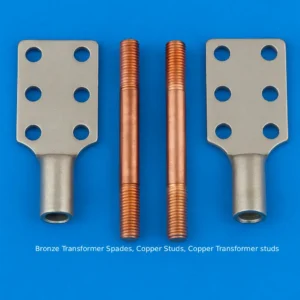
Copper Studs, Copper Transformer Studs
Read more -
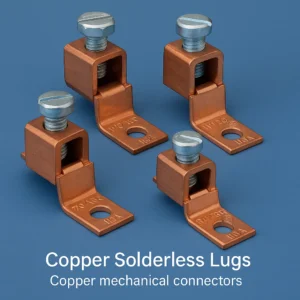
Copper Solderless Lugs, Copper Mechanical Connectors
Read more -
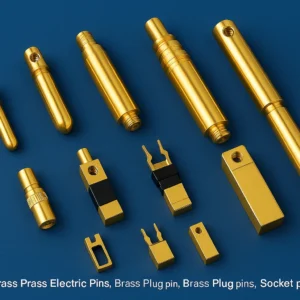
Brass Pins, Brass Electrical Pins
Read more -
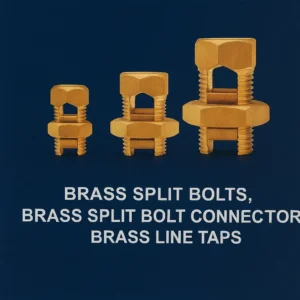
Brass Split Bolts, Brass Split Bolt Connectors, Brass Line Taps
Read more -
Copper Bolted Lugs, Bronze Bolted Lugs
Read more -
Transformer Spade Terminals, Bronze Spades, Bronze Spade Terminals
Read more -
Copper Lay-In Lugs, Copper Solar Lugs
Read more -
Brass Battery Terminals
Read more