Aluminum Gravity Die Casting Components (GDC) – Permanent Mold Castings for Structural and Precision Applications
Aluminum gravity die casting (GDC), also known as permanent mold casting, uses reusable steel or cast iron dies filled by gravity flow of molten aluminum to produce dense, low-porosity castings with superior mechanical properties compared to sand casting and cost advantages over pressure die casting for low-to-medium volumes. Brass and Copper Parts manufactures aluminum gravity die cast components in alloys including LM6, LM25, LM4, A356, and A319 for applications in electrical switchgear, pump and valve bodies, structural brackets, motor housings, and precision industrial components. Supplying USA buyers, electrical OEMs, EPC contractors, and power utilities requiring high-integrity aluminum castings.
Product Overview
Gravity die casting (permanent mold casting) produces aluminum parts with finer grain structure, better mechanical properties, and lower porosity than sand casting, because the metal mold provides faster solidification rates. Wall thicknesses of 3mm to 50mm+ are achievable with dimensional tolerances of ISO 8062 CT6–CT9. GDC is suited for medium production volumes (200 to 50,000 pieces per year) and is preferred when mechanical strength, pressure tightness, or heat treatment capability is required. Low-pressure die casting (LPDC) is available as a variant for complex geometry and thin-wall structural applications. Brass and Copper Parts offers GDC with full T5, T6, and T7 heat treatment, CNC machining, and surface finishing.
Product Types and Variants
By Process Variant
- Standard Gravity Die Casting (GDC) – Metal poured by gravity into permanent mold; excellent for medium-volume structural parts
- Tilting Gravity Die Casting – Die tilted during filling for controlled flow, reduced turbulence, and minimized oxide inclusion; for pressure-tight and safety-critical castings
- Low Pressure Die Casting (LPDC) – Pressurized metal injection at 0.3–1.5 bar; for thin-wall uniform sections and automotive wheel / suspension components
- Semi-Permanent Mold Casting – Combines steel die with sand cores for complex internal passages (galleries, ports, cooling channels)
By Application Category
- Electrical and Switchgear Components – Contactor bases, transformer end bells, disconnector bodies, bus support insulators, meter housings
- Pump and Valve Bodies – Centrifugal pump casings, gate valve bodies, globe valve bonnets, pressure-tight hydraulic manifolds
- Structural Brackets and Frames – Load-bearing brackets, machine bases, gearbox housings, motor mounting frames
- Marine and Offshore Components – Seawater pump housings, anodized marine hardware, corrosion-resistant structural brackets
- Automotive and EV Components – Suspension knuckles, subframe brackets, motor housings, caliper brackets (T6 heat treated)
- Industrial Machinery – Compressor housings, filter heads, hydraulic actuator bodies, pneumatic cylinder heads
By Alloy Grade
- A356 / LM25 – Best combination of castability, strength, and corrosion resistance; T6 heat treatable; most widely used GDC alloy
- LM6 / A413 – Maximum corrosion resistance; ideal for marine, marine, and chemical environments
- LM4 / A319 – Good machinability and pressure tightness; for engine and hydraulic components
- A535 / LM10 – High impact resistance and ductility; for dynamic load applications
- A357 – Premium A356 variant with beryllium; superior fatigue and fracture toughness for aerospace-grade parts
Key Features
- Superior mechanical properties vs. sand casting – finer grain size due to permanent mold chill effect
- Pressure-tight castings – suitable for hydraulic, pneumatic, and liquid containment applications
- Heat treatable alloys (T5, T6, T7) for enhanced yield strength and hardness
- Dimensional repeatability – reusable die achieves consistent CT6–CT9 tolerance class
- Smooth surface finish Ra 3.2–6.3 µm as-cast; improved to Ra 1.6 after shot blasting
- Complex internal geometries possible with sand or soluble cores
- Lower porosity than HPDC for critical structural and pressure-tight applications
- Suitable for NDT inspection: X-ray, dye penetrant, pressure test
Technical Specifications
| Parameter | Specification |
|---|---|
| Process | Gravity Die Casting (GDC) / Permanent Mold Casting; Tilting GDC; LPDC |
| Part Weight Range | 200g to 80kg (standard range) |
| Dimensional Tolerance | ISO 8062-3 CT6–CT9 (as-cast); CT5–CT6 after CNC |
| Wall Thickness | 3mm minimum; 5–25mm typical structural |
| Surface Finish (As-Cast) | Ra 3.2–6.3 µm; Ra 1.6 after shot blast |
| Die Material | Cast iron (GG25/GG30) or H13 tool steel for precision dies |
| Die Life | 20,000–100,000 shots (aluminum alloys) |
| Heat Treatment | T5 (artificial aging), T6 (solution + age), T7 (over-aged) |
| Tensile Strength (A356-T6) | 260–310 MPa |
| Yield Strength (A356-T6) | 200–240 MPa |
| Elongation (A356-T6) | 5–10% |
| NDT Capability | X-ray radiography, dye penetrant (PT), pressure testing |
| Secondary Operations | CNC machining, heat treatment, shot blast, anodize, powder coat, chromate |
Aluminum GDC Alloy Grades and International Equivalents
| USA (AA/ASTM) | Europe (EN) | BS (UK) | DIN (Germany) | IS (India) | JIS (Japan) |
|---|---|---|---|---|---|
| A356 / 356.0 | EN AC-42100 | LM25 | AlSi7Mg0.3 | IS 617 Gr. 7 | AC4C |
| A413 / 413.0 | EN AC-47100 | LM6 | AlSi12 | IS 617 Gr. 12 | AC3A |
| A319 / 319.0 | EN AC-46400 | LM4 | AlSi6Cu4 | IS 617 Gr. 4 | AC2A |
| A535 / 535.0 | EN AC-51300 | LM10 | AlMg5 | – | AC7A |
| A357 / 357.0 | EN AC-42200 | – | AlSi7Mg0.6 | – | – |
Applications in Industry
- Electrical OEMs and Switchgear: Permanent mold cast contactor housings, disconnect switch bodies, bus support clamps, motor end bells requiring pressure-tight or heat-treated properties
- EPC Contractors and Process Plant: Pump casings, valve bodies, manifold blocks, instrument housings, and structural brackets for chemical, oil and gas, and power generation installations
- Power Generation and Utilities: Turbine auxiliary component housings, generator bracket assemblies, substation structural components, transformer cooling fin housings
- Marine and Offshore: Sea water pump casings (LM6/A413 for corrosion resistance), deck equipment housings, offshore structural brackets, anodized marine hardware
- Automotive and Heavy Equipment: T6-treated suspension components, gearbox housings, brake caliper brackets, hydraulic pump bodies, diesel engine components
- Renewable Energy: Wind turbine gearbox housings, solar tracker structural brackets, inverter cooling bodies, hydropower valve components
Manufacturing Process
Aluminum gravity die casting at Brass and Copper Parts uses permanent cast-iron or H13 steel dies preheated to 200–350°C to control solidification rate and surface quality. For tilting GDC, the die rotates from horizontal to vertical during filling to minimize turbulence and oxide entrainment. Aluminum alloy is melted, degassed, and treated with grain refiners and modifiers before pouring. Castings are shaken out, risers removed, and shot-blasted. Heat treatment (T5, T6, T7) is performed in controlled atmosphere furnaces with quench and aging. Final CNC machining, drilling, tapping, and surface finishing are completed in-house. NDT inspection by X-ray and pressure testing is available for critical components.
Quality Standards and Certifications
- ASTM B108 – Aluminum-Alloy Permanent Mold Castings
- ISO 8062-3 – Dimensional Tolerances for Castings (CT6–CT9)
- EN 1706 – Aluminum and Aluminum Alloys Castings
- ASTM B179 – Aluminum Alloys in Ingot Form for Castings
- AMS 2770 – Heat Treatment of Aluminum Alloy Parts (T6)
- BS 1490 – Aluminum Alloy Ingots and Castings (LM series)
- RoHS 2 and REACH Compliant
- ISO 9001:2015 Quality Management System
Why Choose Brass and Copper Parts
- Full GDC, tilting GDC, and LPDC process capability under one roof
- A356-T6, LM25, LM6, and custom alloy gravity die casting expertise
- In-house T6 heat treatment, CNC machining, and NDT inspection
- Superior mechanical properties versus HPDC – heat-treatable grades for structural integrity
- Complex internal geometries with sand and soluble cores
- Export documentation, MTCs, and CMM reports for USA and European customers
Frequently Asked Questions
What is the difference between gravity die casting and pressure die casting?
Gravity die casting (GDC) fills the die by gravity flow of molten metal at near-atmospheric pressure, producing denser, lower-porosity castings that can be heat-treated. Pressure die casting (HPDC) injects metal at high pressure for faster cycle times and thinner walls, but the trapped gas content restricts heat treatability. GDC is preferred for structural, pressure-tight, and heat-treated parts; HPDC for high-volume thin-wall components.
Can gravity die cast parts be heat treated?
Yes. GDC with A356, LM25, A357, and similar alloys can be solution treated and artificially aged (T6) to achieve tensile strengths of 260–310 MPa and yield strengths of 200–240 MPa. HPDC parts generally cannot be T6 treated due to gas porosity blistering during solution treatment.
What alloy is best for pressure-tight GDC castings?
A356/LM25 (T6) provides the best combination of pressure tightness, strength, and corrosion resistance for hydraulic and pneumatic components. LM6/A413 is preferred where maximum corrosion resistance is required (marine, chemical environments). LM4/A319 is chosen for good machinability combined with pressure tightness.
What is tilting gravity die casting?
Tilting GDC rotates the die assembly from a horizontal to vertical orientation during metal filling, guiding the molten aluminum in a controlled laminar flow from the runner system into the die cavity. This minimizes turbulence, oxide formation, and gas entrapment, producing cleaner castings for safety-critical automotive and structural parts.
What tolerances are achievable in gravity die casting?
As-cast tolerances are typically ISO 8062 CT6–CT9 (±0.4mm to ±1.5mm depending on dimension and alloy). Critical dimensions are achieved to CT5–CT6 after CNC machining. Tighter tolerances on bores, flanges, and mating faces are produced by machining.
Can complex internal passages be cast in GDC parts?
Yes. Sand cores (silica or ceramic) or soluble cores are inserted into the die cavity to create internal ports, galleries, cooling channels, and complex geometries that cannot be formed by the metal die alone. This is standard practice for pump casings, valve bodies, and manifold blocks.
What NDT methods are available?
We offer X-ray radiographic inspection (for internal porosity and shrinkage), dye penetrant testing (PT) for surface cracks, and hydrostatic pressure testing for castings used in fluid containment applications.
What is the typical production volume for GDC?
Gravity die casting is economical for volumes of 200 to 50,000 pieces per year. Below 200 pieces, sand casting may be more cost-effective. Above 50,000 pieces, HPDC typically offers lower per-piece cost.
What is the lead time for GDC tooling?
New GDC die tooling lead time is typically 4–8 weeks depending on part size and complexity. Sample castings and first article inspection are provided before production release.
Do you supply material test certificates for GDC castings?
Yes. Material Test Certificates per EN 10204 3.1 with chemical composition and mechanical properties (tensile, yield, elongation, hardness) are available. Heat treatment records and CMM dimensional reports are available on request.
Suggested Schema Markup
Recommended: Product schema (name, brand: Brass and Copper Parts, material: Aluminum A356/LM25, process: Gravity Die Casting, manufacturer), FAQPage schema, BreadcrumbList: Home > Aluminum Parts > Aluminum Gravity Die Casting Components (GDC).
Suggested Image Alt Texts
- “Aluminum gravity die casting components A356 LM25 T6 – Brass and Copper Parts”
- “GDC aluminum pump casing permanent mold casting LM6 corrosion resistant”
- “Tilting gravity die cast aluminum bracket T6 heat treated structural part”
- “Aluminum GDC valve body with sand core internal passages ASTM B108”
Request a Quote
Need aluminum gravity die cast components for structural, pressure-tight, or heat-treated applications? Brass and Copper Parts supplies precision GDC and permanent mold aluminum castings in A356, LM25, LM6, and custom alloys to electrical OEMs, EPC contractors, power utilities, and industrial customers in the USA and globally. Contact us with drawings or samples for a technical review and quotation.
Product categories
Related Products
-

Aluminum Pipe Brackets (Pressed)
Read more -
Aluminum Screw Machine Parts
Read more -
Aluminum Pressure Die Casting Parts
Read more -
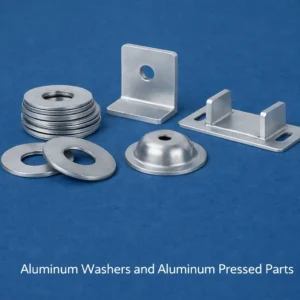
Aluminum Washers and Aluminum Pressed Parts
Read more -
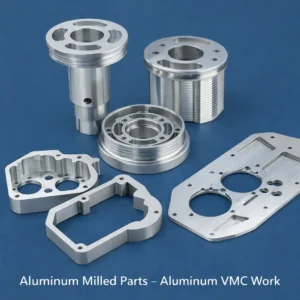
Aluminum Milled Parts – Aluminum VMC Work
Read more -
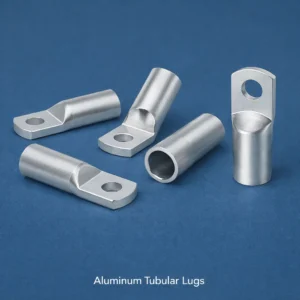
Aluminum Lugs – Aluminum Tubular Lugs
Read more -
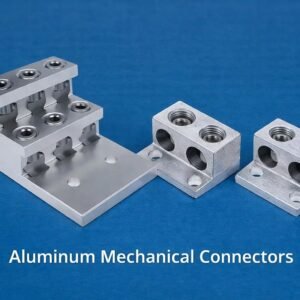
Aluminum Mechanical Connectors
Read more -
Aluminum Manifolds, Aluminum Hydraulic Manifolds
Read more -
Aluminum Stud Mount Connectors, Aluminum Transformer Connectors
Read more -
Aluminum Parts, Aluminum Turned Components
Read more -
Aluminum Hotline Clamps
Read more -
Aluminum CNC machined Parts, Aluminum Components
Read more