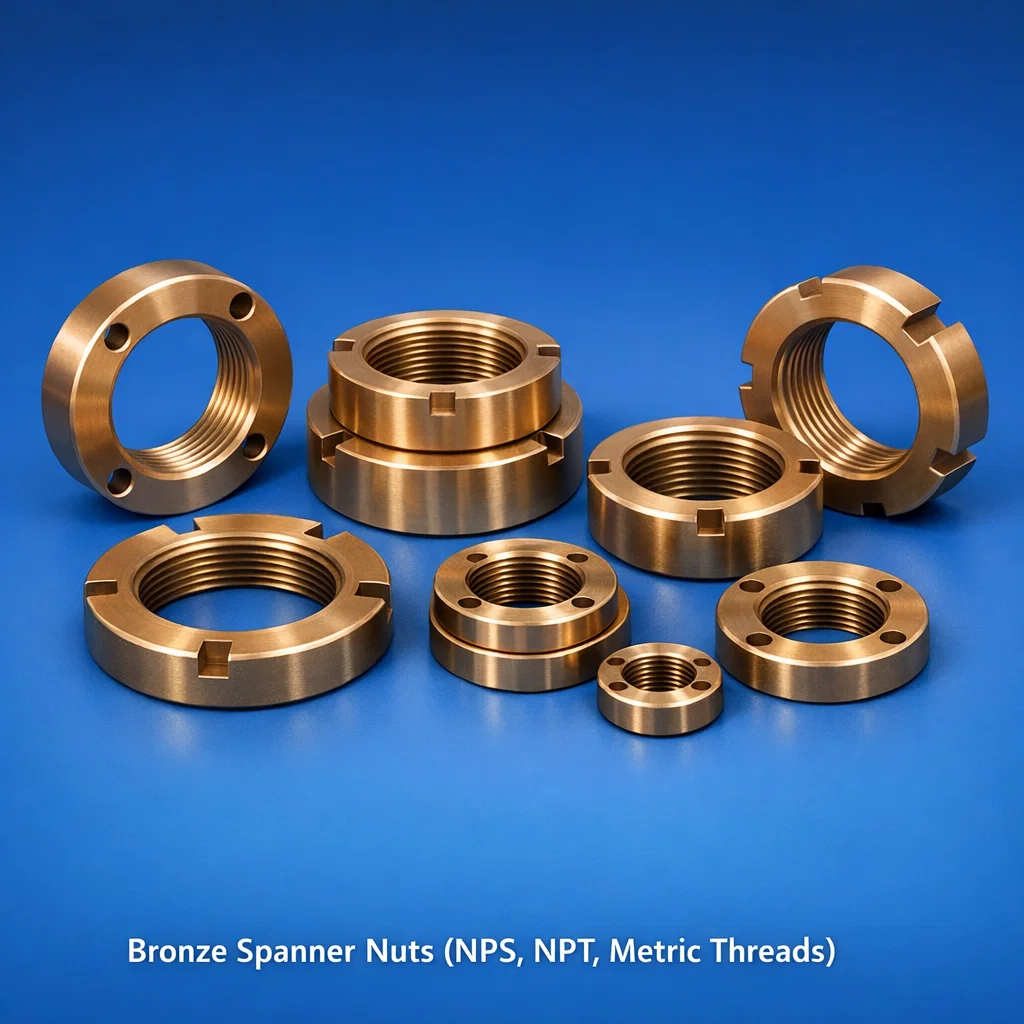
Overview: Bronze Spanner Nuts (NPS, NPT, Metric Threads)
Brass & Copper Parts manufactures precision Bronze Spanner Nuts in NPS (National Pipe Straight / BSPP), NPT (National Pipe Taper), and metric thread forms from its ISO 9001:2015 certified facility in Jamnagar, India. Spanner nuts (also known as round nuts, ring nuts, or pin spanner nuts) are a class of low-profile, externally-spannered nuts with a cylindrical or hexagonal body featuring side holes, slots, or a machined groove for tightening with a pin spanner, hook spanner, or face spanner tool. Bronze spanner nuts are used in applications where conventional hex nut access is not possible, where a flush or low-profile nut is required, or where the nut must thread onto a male-threaded tube, pipe, or shaft end in cramped or inline pipeline assemblies. We supply OEM buyers, pump and valve manufacturers, marine outfitters, hydraulic equipment manufacturers, and instrument fabricators across the USA, UK, Europe, and Australia.
What is a Bronze Spanner Nut?
A spanner nut is a nut designed to be tightened with a specialised spanner tool—not a standard open-end or socket wrench. The nut body is typically cylindrical or round, with engagement features such as two opposing pin holes (for pin spanner), a peripheral slot (for hook spanner), serrations on the face (for face spanner), or a knurled outer surface (for hand-tightening). Spanner nuts are used in applications where a recessed, counterbored, or inline nut seat prevents hex wrench access; where a thin-section nut is required (e.g., hose coupling lock nuts, pipe union lock nuts, bulkhead lock nuts); or where the nut must thread onto the outside of a tube or pipe fitting to capture a hose, seal, or ferrule. In bronze (typically LG2 gunmetal, C83600, or phosphor bronze C51000), spanner nuts provide corrosion resistance in marine, industrial water, and chemical environments.
Key Features of Bronze Spanner Nuts
- Low-Profile and Space-Saving: Spanner nut height is typically 25–50% of equivalent hex nut height for the same thread size, enabling use in confined or flush-mount installations where hex nuts would protrude excessively.
- Multiple Thread Standards: NPS (BSPP straight pipe per ISO 228), NPT (ASME B1.20.1 taper pipe), metric coarse and fine (ISO 965), UNC/UNF (ASME B1.1), and BSW/BSF are all produced in bronze spanner nut form.
- Marine Corrosion Resistance: LG2 gunmetal (C83600) and phosphor bronze (C51000) spanner nuts resist seawater, steam, freshwater, and industrial chemical environments without rust, pitting, or dezincification.
- Non-Galling: Bronze against bronze or stainless steel does not gall under repeated tightening and loosening cycles, ensuring reliable re-use in service maintenance applications.
- Precision Machined Thread: Internal threads are CNC-bored or tapped to 6H (metric) or 2B (ANSI) class; thread form and pitch accuracy verified by thread plug gauges.
- Custom Engagement Features: Pin hole diameter, pin hole pitch circle diameter (PCD), slot width, serration profile, and outer knurling are machined to customer drawing or standard spanner tool specification.
- Wide Bore Range: Bronze spanner nuts available with internal bore threads from 1/4″ NPS to 4″ NPS; M16 to M100 metric; 1/4″ NPT to 2″ NPT.
Technical Specifications: Bronze Spanner Nut Alloys
| Property | LG2 Gunmetal (C83600) | Phosphor Bronze (C51000/PB102) | Naval Brass (C46400) |
|---|---|---|---|
| Cu % | 84.0 – 86.0 | 94.0 – 96.0 | 59.0 – 62.0 |
| Sn % | 4.0 – 6.0 | 4.2 – 5.8 | 0.5 – 1.0 |
| Zn % | 4.0 – 6.0 | — | Balance |
| Pb % | 4.0 – 6.0 | 0.05 max | 0.2 max |
| P % | — | 0.03 – 0.35 | — |
| Density (g/cm³) | 8.83 | 8.86 | 8.44 |
| Tensile Strength | 240 – 290 MPa | 380 – 690 MPa | 360 – 480 MPa |
| Hardness | 40 – 70 HRB | 55 – 90 HRB | 65 – 85 HRB |
| Machinability Index | ~70 | ~20 | ~70 |
| Corrosion Resistance | Marine grade | Excellent | Good (DZR-equivalent) |
International Bronze Grade Equivalents for Spanner Nuts
| Standard | Grade | Specification | Typical Use |
|---|---|---|---|
| ASTM (USA) | C83600 | ASTM B62, B584 | LG2 gunmetal spanner nuts; plumbing, marine, steam |
| ASTM (USA) | C51000 | ASTM B139 | Phosphor bronze spanner nuts; marine, electrical, high fatigue |
| ASTM (USA) | C46400 | ASTM B21 | Naval brass; general marine and industrial spanner nuts |
| BS (UK) | LG2 / PB102 | BS 1400 / BS 2874 | British designation for gunmetal / phosphor bronze nuts |
| EN (Europe) | CC491K / CW451K | EN 1982 / EN 12164 | EN equivalents for LG2 / PB102 |
| IS (India) | IS 318 LTB-2 | BIS IS 318 | Indian leaded tin bronze spanner nuts |
| JIS (Japan) | BC6 / C5191 | JIS H5120 / H3270 | Japanese gunmetal / PB spanner nuts |
Spanner Nut Thread Forms and Dimensional Data
| Thread Standard | Designation | Size Range | Thread Type | Typical Application |
|---|---|---|---|---|
| BSPP / NPS Straight | G 1/4 to G 4 (ISO 228) | 1/4″ – 4″ | Parallel (non-sealing thread) | Hose coupling lock nuts, union lock nuts, instrument fittings |
| NPT Taper | 1/8″ – 2″ NPT (ASME B1.20.1) | 1/8″ – 2″ | 60° taper 1:16 | Pipe adapter lock nuts, gauge adaptor nuts |
| Metric Coarse | M16 – M100 (ISO 965) | M16 – M100 | 60° V-thread coarse pitch | Shaft lock nuts, bearing housings, hydraulic actuator nuts |
| Metric Fine | M20×1.5 – M60×2 (ISO 965) | M20×1.5 – M60×2 | 60° V-thread fine pitch | Precision adjustment nuts, valve stem lock nuts |
| UNC / UNF | 1/2″-13 to 2″-4.5 UNC | 1/2″ – 2″ | 60° unified thread | US specification hydraulic and pneumatic system nuts |
| BSW / BSF | 1/4″ – 2″ BSW/BSF | 1/4″ – 2″ | 55° Whitworth thread | Legacy British-specification marine and engineering nuts |
Product Types and Variants
Bronze Round Spanner Nuts (Pin Spanner Type)
Pin spanner nuts have a cylindrical outer body with two opposing drilled holes (pin holes) into which the pins of a pin spanner (also called a peg spanner or C-spanner) engage for tightening. The pin hole diameter, pitch circle diameter (PCD), and angular position are precisely machined to match the mating pin spanner tool specification. Available in NPS/BSPP G1/4 through G4, metric M16 through M100, and UNC 1/2″ through 2″ in LG2 gunmetal or phosphor bronze. These are used as hose union lock nuts, bearing lock nuts, valve spindle lock nuts, and pipe coupling retaining nuts in marine, hydraulic, and machine tool applications.
Bronze Hook Spanner Nuts (Peripheral Slot Type)
Hook spanner nuts have a single peripheral slot (or multiple notches) machined into the outer cylindrical surface for engagement by the hook of a hook spanner (adjustable or fixed-pin hook spanner). The slot width, depth, and angular position are machined to engage standard hook spanner tool dimensions. Available in metric M20 through M80 and NPS G1/2 through G3. Used in precision pump shaft lock nuts, valve actuator adjustment nuts, flow meter body lock rings, and hydraulic cylinder retaining nuts where pin holes would break through the nut wall, making hook-slot engagement the preferred engagement method.
Bronze Face Spanner Nuts (Serrated Face Type)
Face spanner nuts have serrations, radial slots, or holes machined into the flat face of the nut for engagement by a face spanner or C-wrench applied axially. The axial engagement prevents radial damage to adjacent components and allows tightening in installations where the nut periphery is fully countersunk. Available in metric M24 through M100 and NPS G1 through G4. Manufactured from LG2 gunmetal by CNC turning with face feature milled in a secondary operation. Applications include countersunk shaft retention nuts, inline valve body lock rings, and pump casing centre retention nuts.
Bronze Bulkhead Spanner Lock Nuts (Hose Union Type)
Bulkhead lock nuts and hose union lock nuts are thin-profile bronze spanner nuts that thread onto the outside of a hose fitting, tube ferrule, or pipe adapter to clamp the fitting against a panel, manifold face, or union body. The nut’s bore thread engages the fitting’s external male thread; the outer surface is knurled, pin-slotted, or hex for tightening. Available in NPS/BSPP G1/4 through G2 and metric M16×1.5 through M52×2. Used in compressed air panel connections, hydraulic bulkhead fittings, marine seacock retention, and instrument panel piping connections.
Bronze Conduit Lock Nuts (Electrical)
Electrical conduit lock nuts in bronze secure conduit fittings through electrical panel walls, enclosures, and junction box knockouts. The nut’s coarse-thread bore engages the conduit or fitting’s external thread; the outer rim has a serrated or grooved edge for engagement by conduit pliers or conduit wrench. Available in NPS (trade size 1/4 to 4) per ANSI/NEMA conduit fitting standards. LG2 gunmetal or naval brass is used for marine and offshore electrical installation applications where stainless or zinc die-cast conduit hardware corrodes rapidly.
Bronze Precision Shaft Lock Nuts (Metric Fine Thread)
Precision shaft lock nuts in bronze with metric fine thread (e.g., M30×1.5, M42×1.5, M52×2) are used to retain bearings, pulleys, and mechanical assemblies on shafts in marine drives, pump impellers, valve actuators, and machine tool spindles. The fine thread provides precise adjustment; the bronze material resists corrosion in wet environments and is non-galling against steel or bronze shafts. Machined to ISO 2982-2 or DIN 981 face spanner nut dimensions with two or four symmetrically positioned axial holes or peripheral slots for spanner engagement. Flatness of bearing face is maintained within 0.02 mm.
Applications by Industry
| Industry | Bronze Spanner Nut Application |
|---|---|
| Marine and Naval | Hose union lock nuts, sea cock retention nuts, shaft lock nuts, conduit lock nuts |
| Plumbing and HVAC | Compression union lock nuts, bulkhead fittings, pipe adapter lock rings |
| Hydraulics and Pneumatics | Tube fitting lock nuts, cylinder retaining rings, manifold panel bulkhead nuts |
| Electrical and Marine Electrical | Conduit lock nuts, cable gland retaining nuts, panel knock-out lock nuts |
| Pump and Valve OEM | Impeller retention nuts, valve stem lock nuts, gland follower nuts |
| Machine Tools | Spindle bearing lock nuts, precision adjustment nuts, collet retaining nuts |
| Offshore and Oil & Gas | Flanged retaining nuts, tube coupling lock nuts, non-sparking ATEX-compatible |
Manufacturing Process
Step 1 – Material Receipt and Verification: LG2 gunmetal, phosphor bronze C51000, or naval brass C46400 bar or forging stock is received with EN 10204 3.1 MTCs. XRF analysis verifies alloy composition. Bar OD and hexagonal AF dimensions are verified against material specification.
Step 2 – CNC Turning – Outer Profile and Bore: Bar stock is CNC-turned to produce the nut’s OD, bore, and face dimensions. Bore is single-point bored or reamed to the required thread minor diameter with tight concentricity to OD (within 0.05 mm TIR). Face flatness is machined to ≤ 0.02 mm.
Step 3 – Internal Thread Production: The internal thread is CNC single-point cut (preferred for pipe threads and large metric threads) or tapped (for smaller metric threads). Thread class 6H (metric) or 2B (ANSI) is standard. Thread form is verified by calibrated thread plug gauges on every nut.
Step 4 – Spanner Engagement Feature Machining: Pin holes are drilled on a precision CNC machining centre with angular and PCD accuracy within ±0.1°; hook slots are end-milled to width/depth tolerance ±0.05 mm; face serrations are milled or broached to form; knurling is rolled using diamond-pattern knurling tools on the CNC turning centre.
Step 5 – Deburring and Inspection: All machined features are deburred. Thread gauging (100%), dimensional inspection (AQL 1.0 for critical, 2.5 for major dimensions), and visual inspection are performed. For precision shaft lock nuts, bearing face flatness is verified by CMM.
Step 6 – Surface Treatment (if required): Tin plating, electroless nickel, or lacquering applied per customer specification. Plating thickness is XRF-verified.
Step 7 – Packing and Export: Spanner nuts packed in polythene bags or compartmentalized trays with EN 10204 3.1 MTC, dimensional inspection report, and Certificate of Origin.
Quality Standards and Certifications
- ISO 9001:2015 Certified Quality Management System
- Material per ASTM B62 (C83600), ASTM B139 (C51000), ASTM B21 (C46400), BS 1400 LG2, BS 2874 PB102
- Thread gauging per ISO 965-1 (metric), ASME B1.1 (UNC/UNF), ISO 228-1 (BSPP/NPS), ASME B1.20.1 (NPT)
- Dimensional standards: ISO 2982-2 / DIN 981 (precision shaft lock nuts); customer drawing for custom spanner nuts
- EN 10204 Type 3.1 MTC with alloy composition and mechanical property data
- CMM dimensional verification for precision shaft lock nuts (flatness, bore-to-OD concentricity)
- RoHS 2 compliance for C51000 (Pb ≤ 0.05%); Annex III exemption for C83600 and C46400
- PPAP Level 1–3 available on request for OEM automotive and machine tool supply
Why Choose Brass & Copper Parts for Bronze Spanner Nuts
- Custom Engagement Feature Capability: Pin holes, hook slots, face serrations, and knurling produced to customer drawing or standard spanner tool specification on CNC machining centres.
- Multi-Alloy Bronze Expertise: LG2 gunmetal, phosphor bronze, and naval brass all available from the same facility with consistent quality system.
- Full Thread Standard Coverage: NPS/BSPP, NPT, metric, UNC/UNF, and BSW/BSF threads all produced in-house with calibrated gauge sets.
- Precision Machining: CMM-verified bore-to-OD concentricity and face flatness for precision bearing and shaft lock nut applications.
- Competitive Pricing: 30–40% cost advantage vs. European bronze spanner nut sources; EN 10204 3.1 MTC supplied as standard.
- Short Lead Times: Standard configurations: 3–4 weeks. Custom engagement features: 4–6 weeks from drawing approval.
Frequently Asked Questions
What is the difference between NPS and NPT threads on a spanner nut?
NPS (National Pipe Straight) is a straight (parallel) internal pipe thread per ASME B1.20.1 and equivalent to BSPP (G thread, ISO 228). It does not seal on the thread; a face seal or O-ring is required. NPT (National Pipe Taper) has a 1:16 taper providing a thread-flank seal with PTFE tape or sealant. NPS spanner nuts are used as union lock nuts retaining a sealing face; NPT spanner nuts seal on the thread.
What spanner tool is used to tighten a pin spanner nut?
A pin spanner (also called a peg spanner or C-spanner with pins) with two pins matching the pin hole diameter and PCD of the nut. We can supply pin hole size and PCD details for each nut size so customers can select or order the correct pin spanner. Pin spanners are available from standard tooling suppliers in PCD ranges from 20 mm to 200 mm.
Can bronze spanner nuts be used in seawater service?
Yes. LG2 gunmetal (C83600) and phosphor bronze (C51000) spanner nuts are both suitable for continuous seawater immersion. LG2 is used for general marine piping; C51000 (phosphor bronze) is preferred for high-strength structural applications such as propeller shaft lock nuts and sea cock retention rings.
What is the typical face flatness tolerance on precision bronze shaft lock nuts?
Bearing face flatness is held to ≤ 0.02 mm for precision shaft lock nuts used in bearing retention applications. Bore-to-OD concentricity is maintained within 0.05 mm TIR. These are verified by CMM on first-off and AQL basis during production.
Can you produce bronze spanner nuts with both pin holes and an external hex?
Yes. Combined-feature nuts with both pin holes (for field tightening with a pin spanner) and an external hex (for bench assembly) are produced on CNC machining centres. The hex profile is machined from hexagonal bar stock, and pin holes are added in a secondary drilling operation on a CNC milling centre.
What is the maximum internal bore size available in a bronze spanner nut?
Standard production capability: G4 (BSPP/NPS, bore equivalent ~4″ BSP thread), M100 metric coarse, and 2″-4.5 UNC. Larger bores are available by special order using cast and ring-turned LG2 blanks. Please enquire with bore size, thread form, and wall thickness requirements.
Do you supply DIN 981 standard shaft lock nuts in bronze?
Yes. DIN 981 (and equivalent ISO 2982-2) precision shaft lock nuts with two or four axial pin holes per DIN 981 face dimensions are produced from LG2 gunmetal or phosphor bronze in metric fine thread M16×1.5 to M100×2. These are supplied with CMM dimensional reports confirming bearing face flatness and bore concentricity.
What is the minimum order quantity for bronze spanner nuts?
Standard spanner nut configurations: 100 pieces minimum per size and thread. Custom engagement features (non-standard PCD, slot, or serration): 200 pieces minimum. Precision DIN 981 shaft lock nuts: 200 pieces minimum. Prototype samples: 50 pieces.
Can you produce left-hand thread bronze spanner nuts?
Yes. Left-hand (LH) thread bronze spanner nuts are produced by CNC single-point thread boring in metric (LH), UNC-LH, and BSW-LH thread forms. Used in valve spindles, anti-rotation mechanisms, and turnbuckle applications. Lead time 3–4 weeks from specification confirmation.
Is phosphor bronze or LG2 gunmetal better for marine spanner nuts?
For general marine piping lock nuts (hose unions, bulkhead fittings), LG2 gunmetal (C83600) is preferred due to its lower cost, adequate corrosion resistance, and good machinability. For high-strength, high-fatigue applications (propeller shaft lock nuts, sea cock pivot retention, structural marine fastenings), phosphor bronze C51000 is preferred due to its higher tensile strength (380–690 MPa vs. 240–290 MPa for LG2) and superior fatigue resistance.
Request a Quote for Bronze Spanner Nuts
Specify material (LG2/C83600, phosphor bronze C51000, or naval brass), thread standard (NPS/BSPP/NPT/metric), size, engagement feature type (pin hole/hook slot/face serration/knurl), quantity, and drawing or dimensional requirements. Our engineering team will respond within 24–48 hours.
Email: sales@brass-copper-parts.com | Phone/WhatsApp: +91-22-43449300
Brass & Copper Parts (India) – Plot 10-B, GIDC Industrial Estate, Shankar Tekri, Jamnagar 361004, Gujarat, India.
Product categories
Related Products
-

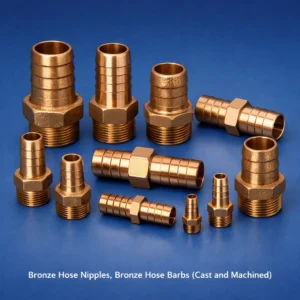
Bronze Hose Nipples, Bronze Hose Barbs (Cast and Machined)
₹13.40 Add to cart -
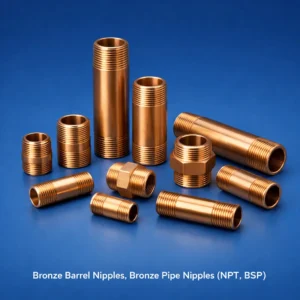
Bronze Barrel Nipples, Bronze Pipe Nipples (NPT, BSP)
₹13.40 Add to cart -
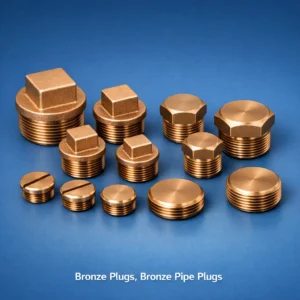
Bronze Plugs, Bronze Pipe Plugs
₹13.40 Add to cart -
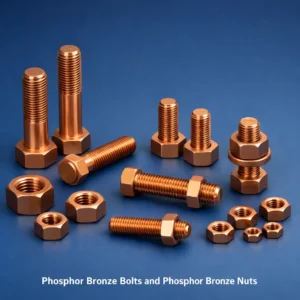
Phosphor Bronze Bolts and Phosphor Bronze Nuts
₹13.40 Add to cart -
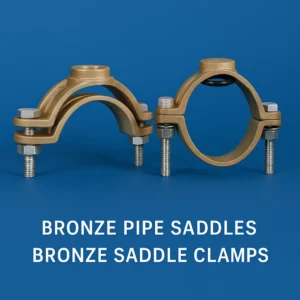
Bronze Pipe Saddles & Bronze Saddle Pipe Clamps
₹13.40 Add to cart -
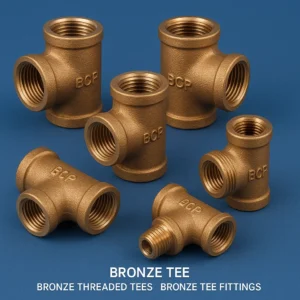
Bronze Tees, Bronze Threaded Tees
₹13.40 Add to cart -
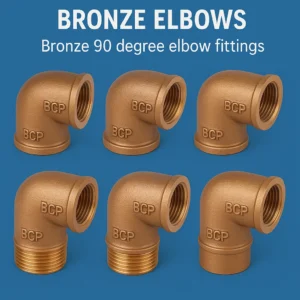
Bronze Elbows, Bronze 90 Degree Elbows Fittings
₹13.40 Add to cart -
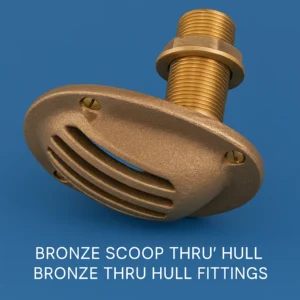
Bronze Scoop Thru Hull Fittings
₹13.40 Add to cart -
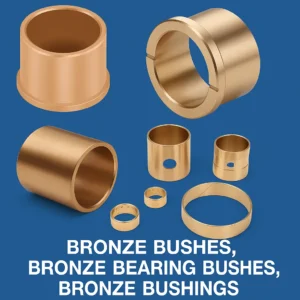
Bronze Bushings, Bronze Bearing Bushes & Bronze Bushes
₹13.40 Add to cart -
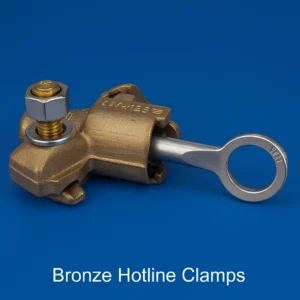
Hotline Clamps, Bronze Hotline Clamps
₹13.40 Add to cart -
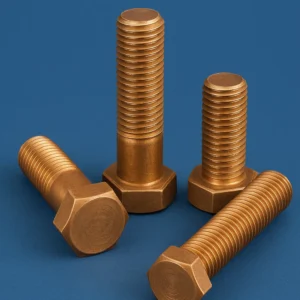
Silicon Bronze Bolts, Silicon Bronze Hex Bolts
₹13.40 Add to cart -
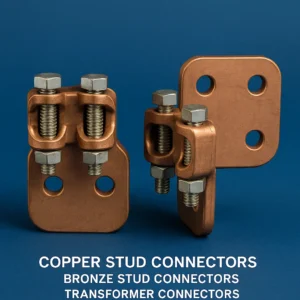
Bronze Transformer Connectors, Bronze Stud Connectors, Copper Transformer Connectors
₹13.40 Add to cart -
Bronze Fittings
₹13.40 Add to cart