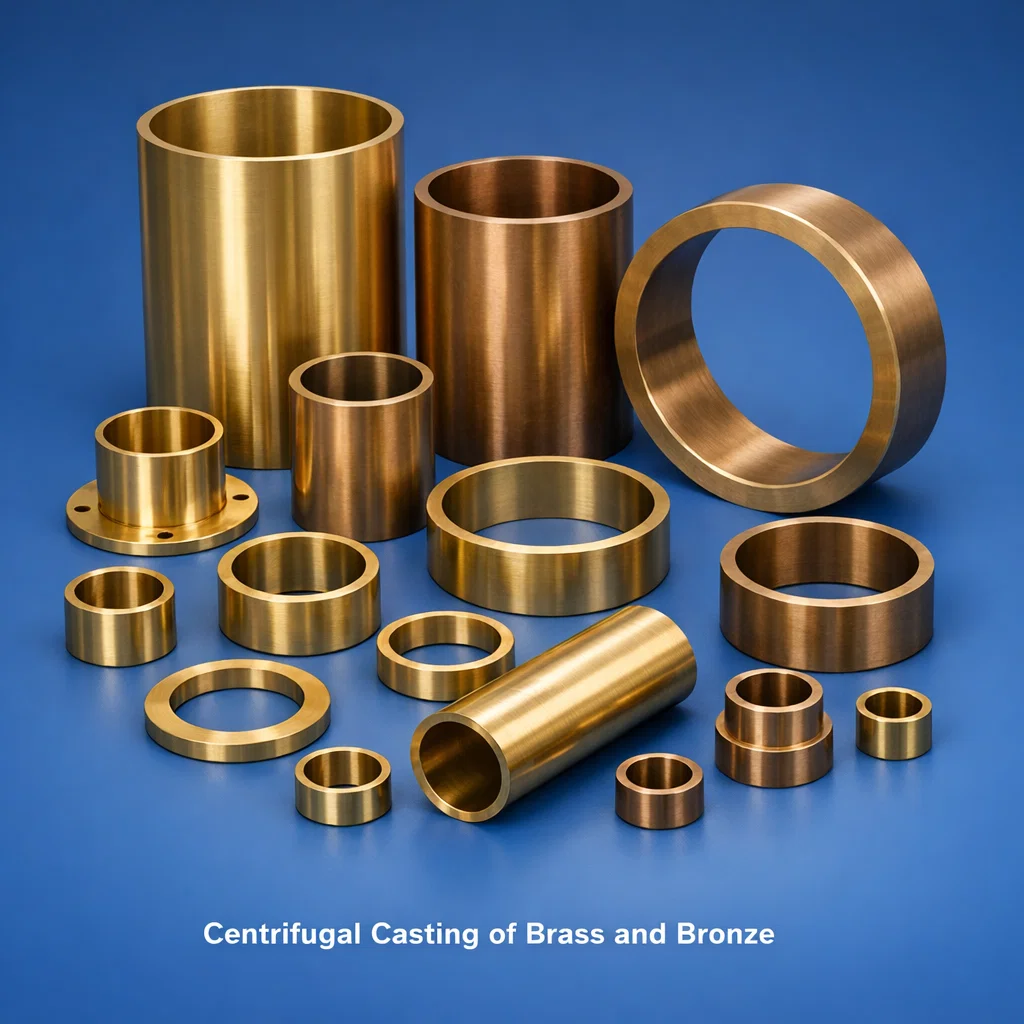
Centrifugal Casting of Brass and Bronze
Centrifugal casting of brass and bronze is a metal casting process in which molten copper alloy is poured into a rotating cylindrical mold, and the centrifugal force generated by rotation (500–2,000 RPM) distributes and consolidates the metal against the mold wall, producing hollow cylindrical or tubular castings with superior density, freedom from central shrinkage porosity, fine grain structure, and better mechanical properties than static sand or gravity die castings of equivalent alloy and section. Brass & Copper Parts operates horizontal and vertical centrifugal casting machines for the production of brass and bronze bushings, bearing rings, liners, sleeves, worm wheel rings, bearing shells, and continuous-section billets in LG2 (C83600), phosphor bronze (C90500/C90700), aluminum bronze (C95400), tin bronze (G1), and all other standard copper alloy grades per ASTM B505, BS 1400, and EN 1982 standards.
Product Overview
In centrifugal casting, the high centrifugal force (typically 30–120G at the casting wall) pushes dense metal to the outside of the rotating mold, while lighter impurities, slag, and gas bubbles migrate to the inner surface (bore) which is subsequently machined away. This self-purifying effect produces outer-diameter metal with density approaching theoretical maximum for the alloy, with no central shrinkage or gas porosity that affects static sand castings. The resulting centrifugal cast brass and bronze components have 15–25% higher tensile strength, 10–20% higher hardness, and 20–40% longer service life in bearing applications compared to equivalent static sand cast components. Brass & Copper Parts produces centrifugal castings in outside diameters from 25 mm to 800 mm, wall thicknesses from 10 mm to 150 mm, and lengths from 25 mm to 1,500 mm, with component weights from 0.5 kg to 1,500 kg.
Key Features
- Superior density and soundness – Centrifugal force eliminates central porosity, gas holes, and shrinkage cavities
- Improved mechanical properties – 15–25% higher UTS, 10–20% higher hardness vs sand cast equivalents
- Fine grain structure – Rapid solidification and mechanical working produces refined dendrite arm spacing
- Large diameter capability – Bore diameters from 25 mm to 800 mm in standard production
- Long length option – Castings up to 1,500 mm length in horizontal centrifugal machines
- ASTM B505 / BS 1400 compliant – Standard-grade centrifugal cast material for bearing certification
- Ready for CNC machining – Near-net-shape with uniform wall thickness for efficient machining
Technical Specifications
| Alloy | C83600 LG2 | C90500 PB2 | C90700 PB4 | C95400 AB1 |
|---|---|---|---|---|
| Tensile Str. – Centrifugal (MPa) | 270–300 | 345–400 | 310–370 | 620–680 |
| Yield Str. – Centrifugal (MPa) | 120–140 | 150–180 | 140–165 | 255–280 |
| Hardness – Centrifugal (HB) | 75–95 | 85–105 | 90–120 | 165–210 |
| Elongation – Centrifugal (%) | 18–28 | 16–25 | 10–16 | 12–18 |
| OD Range (mm) | 50–800 | 25–700 | 25–600 | 50–500 |
| Wall Thickness (mm) | 10–150 | 8–120 | 8–120 | 12–130 |
| Max Length (mm) | 1500 | 1500 | 1200 | 1000 |
International Grade Equivalents
| ASTM B505 | BS 1400 | EN 1982 | DIN 1705 | IS 318 |
|---|---|---|---|---|
| C83600 | LG2 | CC491K | G-CuSn5ZnPb | LG2 |
| C90500 | PB2 | CC480K | G-CuSn10 | Grade 2 |
| C90700 | PB4 | CC483K | G-CuSn12 | Grade 1 |
| C92200 | G3 | CC493K | – | – |
| C95400 | AB1 | CC331G | CuAl10Fe3 | – |
Product Types and Variants
Centrifugal Cast Phosphor Bronze Bushings and Bearing Rings
Phosphor bronze C90500 (PB2) and C90700 (PB4) centrifugal cast bushings and bearing rings are the flagship products of the centrifugal casting process for copper alloys. The dense, porosity-free microstructure produced by centrifugal force makes these the standard bearing material for heavy industrial machinery including crane hook blocks, rolling mill equipment, press tooling, hydraulic cylinder guide rings, marine stern tubes, and pump shaft bearings. Bushings are supplied as centrifugal cast blanks (OD × ID × length) for customer machining, or as fully machined bearing bushings to H7 bore tolerance with oil holes and lubrication grooves per drawing. Standard sizes (ID 25–300 mm) are available from stock at Brass & Copper Parts for fast delivery; larger and non-standard sizes are cast to order.
Centrifugal Cast LG2 Bronze Rings and Sleeves
LG2 (C83600) centrifugal cast rings, pump shaft sleeves, piston rings, and cylinder liners combine the pressure tightness and machinability of LG2 bronze with the superior density achievable only in centrifugal cast form. LG2 centrifugal castings are used for pump wear rings, valve spindle guide bushings, hydraulic piston rings, and steam cylinder liner applications where static sand cast LG2 would exhibit excessive porosity in the wall section. Brass & Copper Parts produces LG2 centrifugal cast rings and sleeves per ASTM B505 C83600 and BS 1400 LG2 specifications, in OD from 50 mm to 600 mm, wall thickness from 10 mm to 100 mm, and length from 25 mm to 1,000 mm.
Centrifugal Cast Worm Wheel Bronze Rings (C90700/PB4)
High-tin phosphor bronze C90700 (PB4, 12% tin) centrifugally cast worm wheel rings are the standard material for heavy-duty worm gear applications in crane travel mechanisms, material handling conveyors, machine tool rotary tables, and industrial gearboxes. The centrifugal process produces a dense, fine-grained bronze ring that is subsequently machined to the required OD, bored to fit the steel hub, and hobbed or milled with the worm tooth profile. PB4 centrifugal cast worm wheel rings are produced in OD from 100 mm to 1,200 mm, bore diameter from 50 mm to 600 mm, and face width from 30 mm to 200 mm. Brass & Copper Parts supplies worm wheel rings as rough centrifugal cast rings or fully machined/hobbed completed gears per DIN 3975, AGMA, or customer specification.
Centrifugal Cast Aluminum Bronze Heavy-Duty Components
Aluminum bronze C95400 (AB1) centrifugal cast bushings, bearing rings, and liner sleeves for heavy-load, high-speed, or corrosive environment applications achieve tensile strengths of 620–680 MPa and hardness of 165–210 HB — significantly superior to equivalent static sand cast properties. Applications include ship propeller shaft stern tube bearings, heavy press guide bushings, offshore pump bearing liners, hydraulic cylinder wear rings, and marine thruster shaft bearings. AB1 centrifugal castings are produced in OD from 50 mm to 500 mm, wall thickness from 12 mm to 130 mm, and length from 25 mm to 1,000 mm, conforming to ASTM B505 and BS 1400 AB1 material standards.
Vertical Centrifugal Cast Flanged Bronze Components
Vertical centrifugal casting produces flanged rings, discs with integral hubs, bearing housings, and short cylindrical components where the flange geometry would be impossible in horizontal centrifugal casting. Vertical centrifugal cast bronze components include flanged bearing bushings for gear housing applications, impeller wear ring discs with integral fins, and large diameter disc-shaped components for hydraulic equipment. Wall thickness in the flange and cylindrical sections are controlled by the casting rotation speed, mold geometry, and pour weight, enabling different wall thicknesses in connected sections of the same casting. Brass & Copper Parts operates both vertical and horizontal centrifugal casting machines for comprehensive coverage of all cylindrical and flanged bronze component geometries.
Centrifugal Cast Continuous Bronze Sections for Machining
Long-length centrifugal cast bronze sections in phosphor bronze C90500 and LG2 C83600 (equivalent to ASTM B505 continuous cast) are produced in round hollow billet form, sliced to custom lengths, and supplied as raw material for CNC machining of bearings, bushings, and custom components. These are supplied in OD from 30 mm to 400 mm, wall thickness from 8 mm to 80 mm, and cut lengths from 25 mm upward. Sliced rings are an economical alternative to investment casting or full-length centrifugal cast blanks for small quantities of standard-size bearing components. Material certificates per EN 10204 Type 3.1 with spectrometric analysis and mechanical test data are issued for all centrifugal cast sections supplied as bearing material.
Applications by Industry
| Industry | Centrifugal Cast Brass/Bronze Components |
|---|---|
| Heavy Engineering | Crane hook bushings, press guide rings, rolling mill bearings, conveyor shaft bushings |
| Marine & Offshore | Stern tube bearings, propeller shaft bushings, thruster bearings, sea valve rings |
| Power Transmission | Worm wheel rings (PB4), spur gear bushings, helical gear bearing rings |
| Oil & Gas | Pump bearing liners, downhole wear rings, valve shaft bushings |
| Steel & Metallurgy | Rolling mill roll neck bushings, continuous casting machine guide rings |
| General Machinery | Machine tool headstock bushings, spindle bearings, hydraulic cylinder guide rings |
Manufacturing Process
Centrifugal casting at Brass & Copper Parts uses horizontal and vertical centrifugal casting machines with controlled rotation speed (500–2,000 RPM depending on alloy and OD) and precision-bored steel molds with release coating. Alloy is melted in coreless induction furnaces, analyzed by OES spectrometer, and poured at the alloy-specific temperature (LG2: 1050°C; phosphor bronze: 1080°C; aluminum bronze: 1150°C) via a ladle or trough into the rotating mold. Rotation speed is selected to achieve centrifugal force of 50–80G at the casting bore for optimal density. After solidification (1–10 minutes), rotation stops, the casting is extracted, and the mold is cooled and recoated for the next pour. Post-casting operations include OD and bore inspection, wall thickness check, spectrometric analysis, mechanical test (per ASTM B505 sampling), and machining to customer dimensions if specified.
Quality Standards and Certifications
- ASTM B505 – Standard specification for copper alloy continuous cast rod, bar, and tubes (centrifugal cast)
- BS 1400 – LG2, PB2, PB4, AB1 centrifugal cast alloy grades
- EN 1982 – CC491K, CC480K, CC483K, CC331G European standards
- DIN 1705 – German standard for centrifugal cast copper alloys
- IS 318 – Indian standard for copper alloy castings
- ISO 9001:2015 – Quality management system
- EN 10204 Type 3.1 – Material test certificates
Why Choose Brass & Copper Parts
Brass & Copper Parts operates dedicated horizontal and vertical centrifugal casting machines covering OD from 25 mm to 800 mm and lengths up to 1,500 mm — one of the broadest size ranges available from a single copper alloy foundry in India. We maintain stock of common phosphor bronze (C90500/PB2) and LG2 (C83600) centrifugal cast sizes for same-week delivery on standard bearing blank dimensions. Machining capability (CNC turning, boring, slotting, and groove milling) enables supply of finished bearing components to H7 bore tolerance with lubrication grooves, oil holes, and flanges per customer drawing. Full material certification per EN 10204 Type 3.1, spectrometric analysis, and mechanical test per ASTM B505 sampling is standard with every batch.
Frequently Asked Questions
What centrifugal force is applied in brass and bronze centrifugal casting?
The centrifugal force (expressed as a multiple of gravity, G) at the casting OD is calculated as G = 0.0000142 × D × N², where D is the mold bore diameter (mm) and N is the rotation speed (RPM). For most brass and bronze alloys, an optimal centrifugal force of 50–80G at the casting bore is used for maximum density. For LG2 (heavy lead phase), 60–80G is used to ensure uniform lead distribution rather than lead segregation. For aluminum bronze, 50–65G is sufficient due to lower density differential between metal and impurities.
Why is centrifugal casting preferred over sand casting for bronze bearings?
Sand cast bronze bearings have central shrinkage porosity in the bore region (the last area to solidify), reducing effective bearing area and allowing lubricant film breakdown at porous spots. Centrifugal cast bronze eliminates central porosity by forcing dense metal outward — the bore surface after machining reveals fully dense, porosity-free metal throughout the wall. This improves bearing load capacity, oil film retention, and fatigue life by 30–50% versus sand cast equivalents in the same alloy and size.
What is the difference between horizontal and vertical centrifugal casting?
Horizontal centrifugal casting rotates the mold about a horizontal axis — suitable for long cylinders, tubes, and sleeves where length-to-diameter ratio is high (L/D > 1). Vertical centrifugal casting rotates about a vertical axis — suitable for short rings, discs, and flanged components where L/D < 1. Both produce excellent density in the outer diameter; vertical casting allows more complex cross-section shapes including flanged rings and discs. Brass & Copper Parts operates both machine types for comprehensive geometry coverage.
Can centrifugal cast bronze components be welded?
Yes. LG2 and phosphor bronze centrifugal castings are weldable using GTAW (TIG) with matching filler wire (ERCuSn-A for phosphor bronze, ERCuZn-C for LG2). Pre-heat to 100–150°C is recommended for sections above 15 mm wall thickness. Weld repair of centrifugal cast components for defect remediation or dimension restoration is routinely performed by Brass & Copper Parts with re-test and certification documentation.
What is the surface finish of centrifugal cast bronze as supplied?
Centrifugal cast bronze OD (mold contact surface) is smooth, approximately Ra 6.3–12.5 μm in as-cast condition. The bore (ID) surface is rough (Ra 12.5–50 μm) and is always machined away as it contains the concentrated impurities from the centrifugal separation process. After CNC turning of OD and boring of ID, achievable finish is Ra 0.8–3.2 μm, and bore tolerance of H7 is standard. For critical sealing or precision fits, grinding to Ra 0.4–0.8 μm is available.
What is the minimum order for centrifugal cast bronze components?
For standard sizes (from existing mold stock): orders from 1 piece are accepted for LG2 and phosphor bronze in common bore sizes. For non-standard OD or wall thickness requiring new mold manufacture: minimum 3–5 pieces typically, with mold cost charged separately. Long-term repeat supply orders for production components: Brass & Copper Parts maintains dedicated mold tooling for established customer components at no ongoing tooling charge for committed annual volumes.
What tolerances are achievable on machined centrifugal cast bronze bearings?
CNC-machined centrifugal cast bronze bearings achieve bore tolerances of H7 (±IT7/2 per ISO 286-1) as standard — typically ±0.012 to ±0.030 mm depending on bore diameter range. OD tolerances of h6 or h7 are standard for press-fit housing applications. Flatness of flanged faces to 0.02 mm/100 mm, cylindricity to 0.01 mm/100 mm length, and concentricity (bore to OD) to 0.02 mm TIR are achievable on precision ground components.
Do you supply centrifugal cast bronze with graphite plugs for self-lubrication?
Yes. Brass & Copper Parts machines graphite plug inserts into centrifugal cast phosphor bronze and LG2 bearing plates and bushings for self-lubricating applications including bridge expansion bearings, crane hook block bushings, agricultural equipment, and food processing machinery where oil lubrication is impractical or prohibited. Graphite plug pattern, size (typically 8–16 mm diameter), and coverage area (20–35% by surface area) are specified per application load and speed parameters.
Request a Quote
Brass & Copper Parts manufactures centrifugal cast brass and bronze bushings, bearing rings, sleeves, and worm wheel rings in all standard copper alloy grades for heavy engineering, marine, power transmission, and industrial applications. Share your dimensional requirements, alloy grade, and quantity for a competitive quotation.
Contact us: sales@brass-copper-parts.com | +91-22-43449300
Product categories
Related Products
-

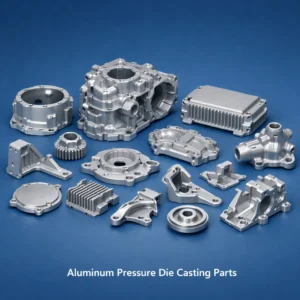
Aluminum Pressure Die Casting Parts
₹8.70 Add to cart -
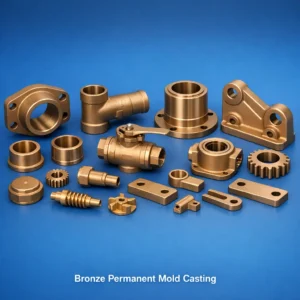
Bronze Permanent Mold Casting
₹13.40 Add to cart -
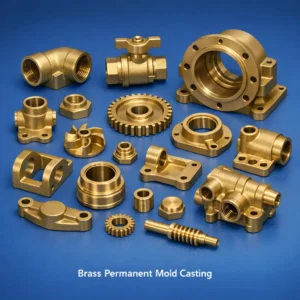
Brass Permanent Mold Casting
₹11.80 Add to cart -
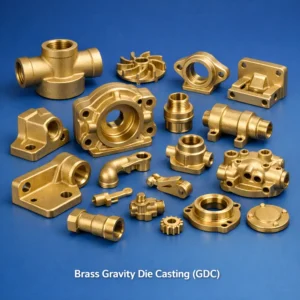
Brass Gravity Die Casting GDC
₹11.80 Add to cart -
Stainless Steel 304 and 316 Sand Casting
₹8.90 Add to cart -
Stainless Steel Investment Casting
₹8.90 Add to cart -
Aluminum Bronze Investment Casting
₹8.70 Add to cart -
Bronze Shell Molding, Shell Casting
₹13.40 Add to cart -
Gunmetal Casting Foundry
₹13.40 Add to cart -
83600 Bronze Casting, CDA 836 Bronze Casting
₹13.40 Add to cart -
LG2 Bronze Casting 85-5-5-5
₹13.40 Add to cart -
Phosphor Bronze Casting
₹13.40 Add to cart -
Lead Free Brass Casting
₹11.80 Add to cart -
Aluminum Bronze Casting
₹8.70 Add to cart